
Embarking on a pescatarian journey for weight loss offers a flexible, nutrient-rich path. Resources like cookbooks and 28-day meal plans provide guidance.
This diet, blending plant-based foods with seafood, supports health goals. It’s a sustainable approach, offering variety beyond strict vegetarianism.
A beginner’s guide highlights the nutritional benefits, while plans suggest a 500-1000 calorie daily deficit for gradual, lasting results.
What is a Pescatarian Diet?
A pescatarian diet is primarily plant-based, embracing fruits, vegetables, legumes, and grains, but uniquely includes fish and seafood.
Unlike strict vegetarian or vegan plans, it offers greater nutritional diversity, incorporating essential omega-3 fatty acids from aquatic sources.
This flexible approach excludes red meat and poultry, making it a popular choice for those seeking a healthier lifestyle. Resources, like downloadable meal plans, simplify adoption.
It’s a balanced way to eat, supporting both health and weight management.
Benefits of a Pescatarian Diet for Weight Loss
Pescatarianism supports weight loss due to fish and seafood being lower in calories than many meats, yet high in protein.
This promotes satiety, reducing overall caloric intake. The diet’s emphasis on plant-based foods provides fiber, further aiding fullness and digestion.
Nutrient density is a key benefit, offering vitamins and minerals crucial for health. Meal plans streamline this, ensuring balanced nutrition and sustainable results.

Understanding Calorie Needs for Weight Loss
Achieving weight loss requires a calorie deficit, typically 500-1000 calories daily.
Plans suggest a weekly reduction of 3500-7000 calories for sustainable results, balancing intake with activity levels.
Calculating Your Daily Calorie Deficit
Determining your daily calorie deficit is crucial for successful weight loss. Begin by calculating your Basal Metabolic Rate (BMR) and activity level to estimate daily calorie needs.
To lose weight, aim for a deficit of 500-1000 calories per day, resulting in roughly 1-2 pounds of weight loss weekly. Online calculators and resources can assist with these calculations.
Remember, a gradual deficit is more sustainable than drastic restriction, supporting long-term health and adherence to your pescatarian meal plan.
Macronutrient Breakdown for a Pescatarian Diet
A balanced macronutrient ratio is key for a pescatarian weight loss plan. Prioritize protein from fish and plant sources (legumes, tofu) – around 20-30% of daily calories.
Healthy fats, especially from fatty fish like salmon, should comprise 20-30%, supporting satiety and overall health. Complex carbohydrates from whole grains and vegetables should fill the remaining 40-50%.
Adjust ratios based on activity level and individual needs.
Sample 7-Day Pescatarian Weight Loss Meal Plan
A structured plan aids success! Utilize readily available 28-day meal plans or create your own, focusing on lean fish, vegetables, and whole grains for optimal results.
Day 1-3: Focusing on Lean Fish and Vegetables
Initiate your plan with simplicity! Days one through three prioritize lean fish like cod or tilapia paired with abundant non-starchy vegetables. This approach minimizes caloric intake while maximizing protein and essential nutrients.
Consider baked cod with asparagus, or a simple tilapia stir-fry with broccoli and bell peppers. Portion control is key, aiming for a 500-1000 calorie daily deficit as suggested by various meal plans.
Day 4-7: Incorporating Variety and Whole Grains
Expand your palate! Days four through seven introduce variety with salmon, shrimp, and quinoa. Incorporate whole grains like brown rice or whole-wheat crackers for sustained energy.
Sample meals include shrimp and quinoa salad or salmon with sweet potato. Maintain the 500-1000 calorie deficit, and remember that a pescatarian diet offers more nutritional diversity than strictly vegetarian plans.
Breakfast Recipes for Pescatarian Weight Loss
Start your day right! Enjoy salmon and avocado toast, or Greek yogurt with berries and chia seeds. These recipes support weight loss goals effectively.
Salmon and Avocado Toast
This vibrant breakfast fuels your day! Flake 3oz cooked salmon over whole-wheat toast. Mash ¼ avocado and spread it beneath the salmon, adding healthy fats.
Sprinkle with everything bagel seasoning for extra flavor. Salmon provides protein and omega-3s, while avocado offers sustained energy. This meal aligns with a pescatarian diet’s focus on nutrient-dense foods, supporting weight loss.
It’s quick, easy, and delicious – a perfect start to a healthy day!
Greek Yogurt with Berries and Chia Seeds
Start your day with a protein-packed boost! Combine 1 cup of plain Greek yogurt with ½ cup mixed berries (strawberries, blueberries, raspberries).
Stir in 1 tablespoon of chia seeds for added fiber and omega-3s. This breakfast is low in calories and high in nutrients, supporting weight loss goals within a pescatarian framework.
It’s a simple, satisfying, and healthy option to kickstart your metabolism!

Lunch Recipes for Pescatarian Weight Loss
Enjoy light yet satisfying lunches! Tuna salad with whole-wheat crackers and shrimp quinoa salad are excellent choices.
These recipes provide lean protein and complex carbohydrates, supporting sustained energy and weight management;
Tuna Salad with Whole-Wheat Crackers
This classic lunch is a pescatarian staple! Combine 5oz canned tuna (in water, drained) with 2 tbsp Greek yogurt, 1 tbsp chopped celery, and a squeeze of lemon juice.
Season with pepper and dill. Serve with 6-8 whole-wheat crackers for a fiber-rich crunch. This provides lean protein and healthy fats, keeping you full and energized.
It’s a quick, easy, and delicious option aligning with a weight loss meal plan, offering approximately 300-350 calories.
Shrimp and Quinoa Salad
A vibrant and protein-packed lunch option! Combine 4oz cooked shrimp with 1 cup cooked quinoa, ½ cup chopped cucumber, and ¼ cup chopped bell peppers.
Dress with 1 tbsp olive oil, 1 tbsp lemon juice, and herbs like parsley or cilantro. This salad delivers essential nutrients and sustained energy, supporting weight loss goals.
It’s a light yet satisfying meal, typically around 350-400 calories, perfect for a balanced pescatarian diet.
Dinner Recipes for Pescatarian Weight Loss
Delicious dinners are key! Baked cod with roasted asparagus and salmon with sweet potato and broccoli are excellent choices for a healthy, balanced meal.
Baked Cod with Roasted Asparagus
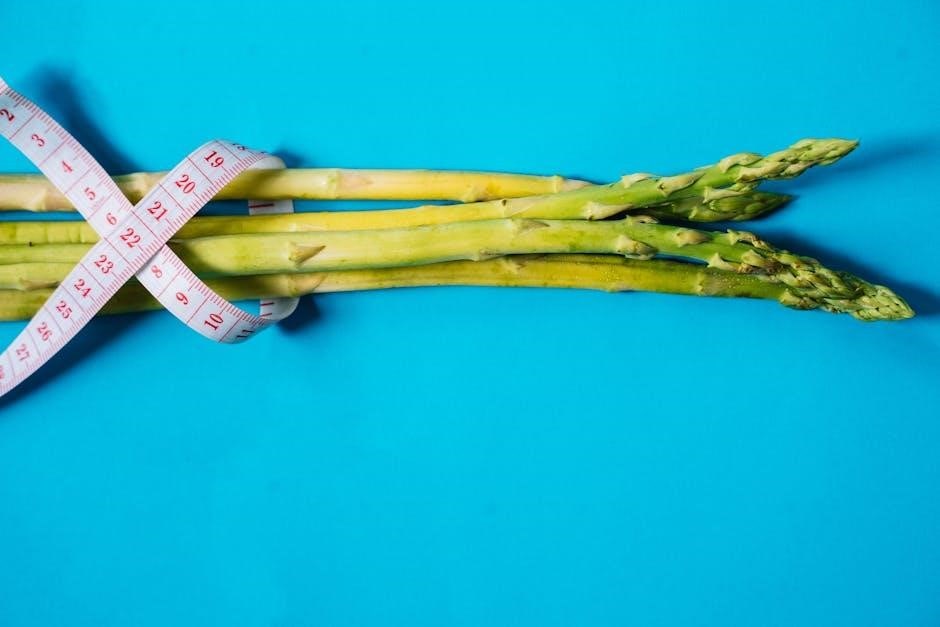
This simple recipe delivers flavor and nutrients. Preheat oven to 400°F (200°C). Toss asparagus with olive oil, salt, and pepper; roast for 12-15 minutes. Season cod fillets with lemon juice, herbs, and a touch of garlic.
Bake cod for 15-20 minutes, or until flaky. This meal provides lean protein and essential vitamins, fitting seamlessly into a weight loss plan. Enjoy a satisfying and healthy dinner!
Salmon with Sweet Potato and Broccoli
A powerhouse of nutrients for weight management! Preheat oven to 400°F (200°C). Cube sweet potato and toss with olive oil and spices; roast for 20 minutes. Add broccoli florets for the last 10 minutes.
Season salmon fillets and bake for 12-15 minutes. This meal is rich in omega-3s, fiber, and vitamins, supporting a healthy and sustainable weight loss journey.
Snack Ideas to Curb Cravings
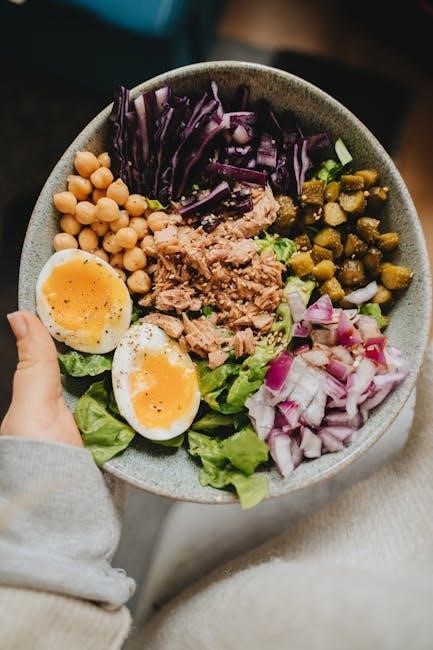
Smart snacking is key! Enjoy hard-boiled eggs for protein or a small handful of nuts. These options provide sustained energy and prevent overeating.
Hard-Boiled Eggs
A protein powerhouse, hard-boiled eggs are an excellent snack for pescatarian weight loss. They keep you feeling full and satisfied, curbing cravings for less healthy options.
Eggs are incredibly versatile and easy to prepare in advance for convenient snacking throughout the week.
Their nutritional profile supports muscle maintenance during a calorie deficit, contributing to overall health and weight management success.
Small Portion of Nuts
Nuts offer healthy fats, fiber, and protein, making them a satisfying snack within a pescatarian weight loss plan. However, portion control is key due to their calorie density.
A small handful – about an ounce – provides sustained energy and helps manage hunger between meals.
Choose unsalted varieties to avoid excess sodium and support overall health goals;
Foods to Emphasize on a Pescatarian Diet
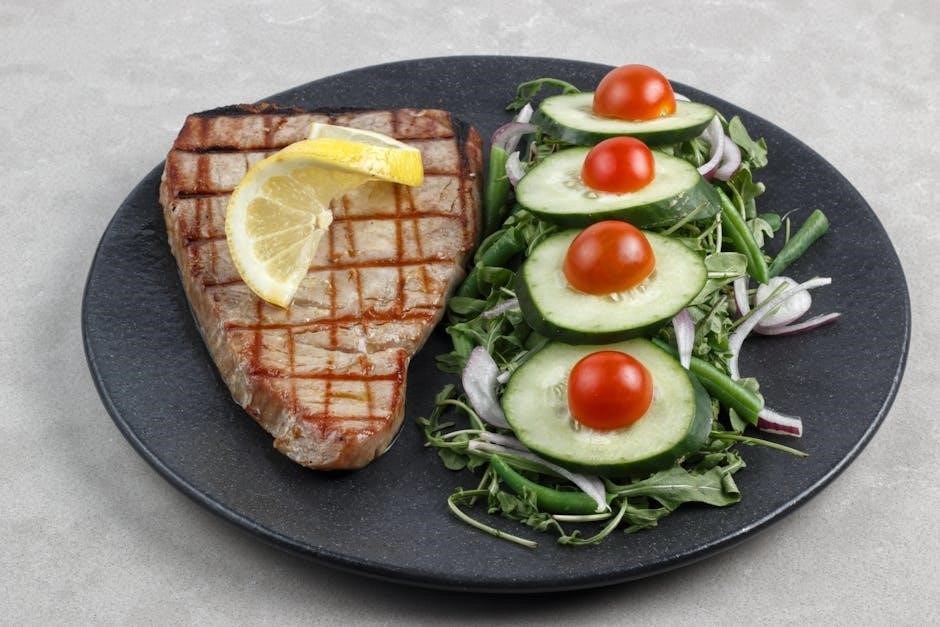
Prioritize fatty fish like salmon, mackerel, and sardines for omega-3s. Include plant-based proteins such as legumes and tofu for a balanced diet.
Fatty Fish (Salmon, Mackerel, Sardines)
These fish are nutritional powerhouses, central to a successful pescatarian weight loss plan. Rich in omega-3 fatty acids, they support heart health and reduce inflammation.
Salmon, mackerel, and sardines provide high-quality protein, promoting satiety and muscle maintenance during calorie restriction.
Incorporating these into your weekly meal plan, as suggested by various resources, is crucial for optimal results and overall well-being.
Plant-Based Protein Sources (Legumes, Tofu)
Legumes and tofu are vital components of a balanced pescatarian diet, supporting weight loss and overall health. They offer a substantial protein boost, aiding in fullness and muscle preservation.
These plant-based options complement fatty fish, creating a diverse nutrient profile. Meal plans often integrate them into lunches and dinners for sustained energy.
They are excellent alternatives to meat, providing fiber and essential nutrients.
Foods to Limit or Avoid
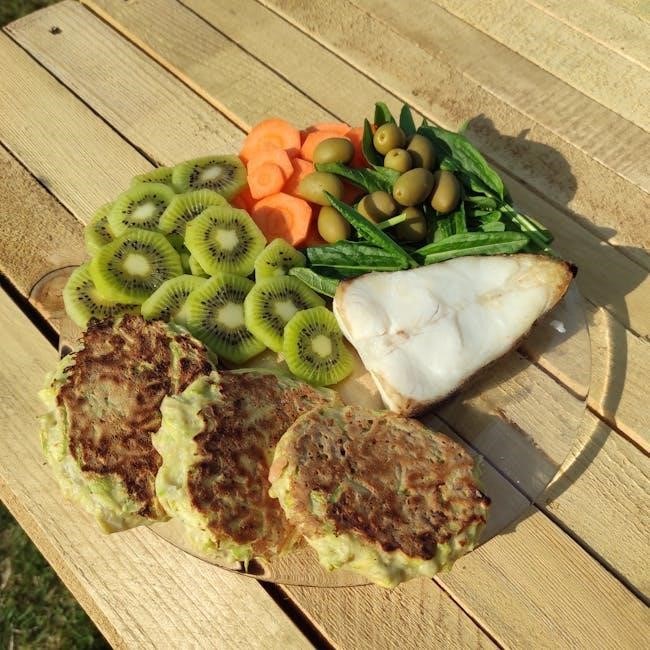
Minimize processed foods and sugary drinks to maximize weight loss success. These offer empty calories and hinder nutritional goals within a pescatarian plan.
Processed Foods
Highly processed foods often contain hidden sugars, unhealthy fats, and excessive sodium, directly counteracting weight loss efforts on a pescatarian diet. These items frequently lack essential nutrients, offering minimal satiety and potentially leading to overconsumption.
Examples include pre-packaged meals, sugary cereals, and many commercially baked goods. Prioritizing whole, unprocessed foods – like fresh fish, vegetables, and whole grains – is crucial for achieving sustainable results and optimal health.
Sugary Drinks
Eliminating sugary drinks is paramount for successful weight loss, even within a healthy pescatarian framework. These beverages – sodas, juices with added sugar, and sweetened teas – contribute empty calories without providing nutritional value or promoting fullness.
They can quickly derail a calorie deficit. Opting for water or unsweetened herbal teas supports hydration and helps manage overall caloric intake, fostering sustainable weight management.
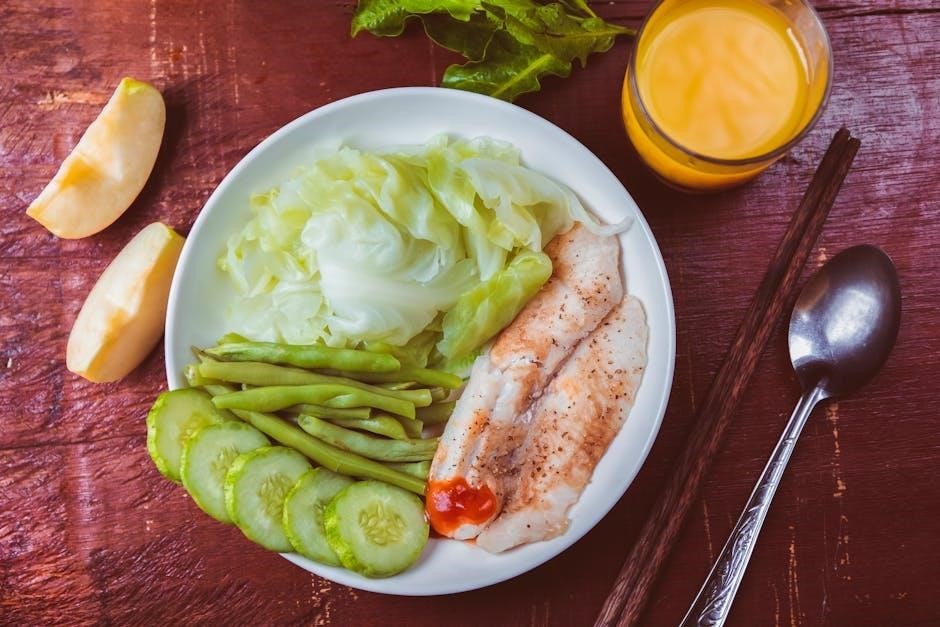
Hydration and its Role in Weight Loss
Adequate hydration is crucial for optimal weight loss. Water supports metabolism, aids digestion, and promotes fullness, complementing a pescatarian meal plan effectively.
Importance of Drinking Water
Water plays a vital role in successful weight management alongside a pescatarian diet. It boosts metabolism, facilitating efficient calorie burning, and aids in the digestion of the increased fiber intake from plant-based foods and seafood.
Staying hydrated can also help control appetite, reducing cravings and promoting a feeling of fullness, which is beneficial when following a meal plan.
Prioritizing water intake supports overall health and optimizes the benefits of your dietary choices.
Herbal Teas as a Healthy Alternative
Beyond water, herbal teas offer a flavorful and hydrating addition to a pescatarian weight loss plan. They provide a calorie-free beverage option, helping to curb sugary drink cravings that can hinder progress.
Certain herbal teas, like green tea, may even boost metabolism and support fat burning.
Enjoying herbal teas throughout the day contributes to overall hydration and complements your meal plan effectively.

Exercise Recommendations to Complement the Diet
Combine your pescatarian plan with regular physical activity for optimal results. Prioritize both cardiovascular exercise and strength training to boost metabolism and build lean muscle.
Cardiovascular Exercise
Engage in regular cardio to enhance your pescatarian weight loss efforts. Activities like brisk walking, jogging, swimming, or cycling elevate your heart rate and burn calories effectively. Aim for at least 150 minutes of moderate-intensity or 75 minutes of vigorous-intensity cardio per week.
Consistent cardiovascular workouts improve cardiovascular health, increase endurance, and contribute significantly to creating the necessary calorie deficit alongside your dietary plan.
Strength Training
Complement your pescatarian diet with strength training exercises two to three times weekly. Lifting weights or using resistance bands builds lean muscle mass, boosting your metabolism and aiding in long-term weight management. Focus on compound exercises like squats, lunges, and push-ups.
Increased muscle mass helps your body burn more calories even at rest, maximizing the benefits of your dietary changes.
Tips for Sustainable Pescatarian Weight Loss
Prioritize meal prepping and mindful eating for lasting success. Planning meals and savoring each bite supports adherence and prevents overeating on this diet.
Meal Prepping Strategies
Effective meal prepping is crucial for sticking to your pescatarian weight loss plan. Dedicate a few hours weekly to prepare components like roasted vegetables, cooked quinoa, or baked fish.
Portioning meals in advance, using containers, simplifies healthy choices during busy weeks. Utilize a pescatarian weight loss meal plan PDF as a guide, batch-cooking recipes.
This minimizes impulsive decisions and ensures nutritious meals are readily available, supporting consistent progress towards your goals.
Mindful Eating Practices
Enhance your pescatarian weight loss journey with mindful eating. Pay attention to hunger cues, savor each bite, and eliminate distractions during meals.
A pescatarian weight loss meal plan PDF can guide portion sizes, but awareness of fullness is key.
Slow down, appreciate flavors, and avoid emotional eating. This fosters a healthier relationship with food, supporting sustainable weight management and overall well-being.
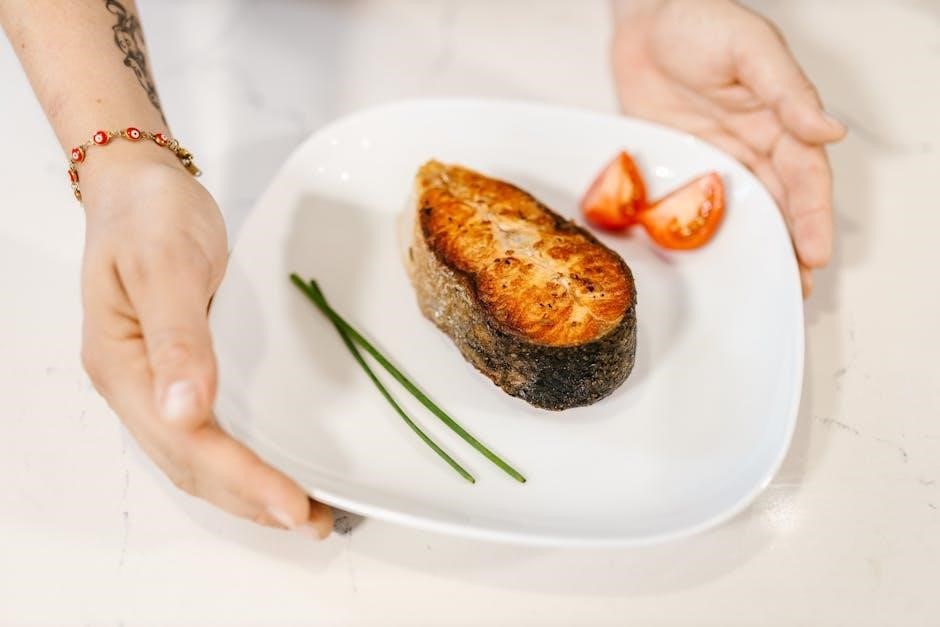
Resources for Pescatarian Recipes and Support
Explore cookbooks, websites, and online communities for pescatarian inspiration. Pescatarian weight loss meal plan PDFs offer structured guidance, aiding your dietary success.
Cookbooks and Websites
Janis Jibrin’s “The Pescetarian Plan” provides step-by-step instructions and recipes for weight loss. Numerous websites offer diverse pescatarian meal ideas, often including downloadable meal plan PDFs.
Searching online reveals various 28-day plans focused on healthy eating and sustainable results. Perfect Keto also offers resources, adapting the diet for ketogenic approaches. These resources simplify meal prepping and provide inspiration for delicious, balanced meals.
Online Communities
Engaging with online communities offers support and shared pescatarian meal plan PDFs. Forums and social media groups provide a platform to exchange recipes and tips for successful weight loss.
These spaces foster motivation and accountability, allowing individuals to connect with others following similar dietary paths. Sharing experiences and finding inspiration can enhance adherence to a pescatarian lifestyle and achieve health goals.