Kentucky Elk Guides: A Comprehensive Overview (Updated 02/10/2026)
Kentucky’s elk hunting resurgence demands skilled guides; TimberBuck and ECO Outfitters are popular choices, alongside a new KY Deer & Elk app aiding hunters
Kentucky elk hunting represents a remarkable conservation success story, transforming the state into a premier destination for big game enthusiasts. Thirty years ago, encountering an elk in Eastern Kentucky was a rare, almost mythical event, as they had been absent for over a century. Today, a thriving elk population offers exciting hunting opportunities, but navigating the terrain and understanding elk behavior requires expertise.
This is where experienced Kentucky elk guides become invaluable. Outfitters like TimberBuck Outfitters and ECO Outfitters provide hunters with the knowledge and support needed for a successful and ethical hunt. The recent launch of the KY Deer & Elk app further assists hunters with essential information. A guided hunt significantly increases your chances of harvesting a trophy elk while respecting Kentucky’s natural resources.
The Resurgence of Elk in Kentucky
The re-establishment of elk in Kentucky is a testament to dedicated wildlife management and conservation efforts. After being extirpated from the state over a century ago, a bold restoration program began in 1997, importing elk from other states. This initiative has flourished, transforming Eastern Kentucky’s landscape and creating a sustainable elk population.
Today, hunters benefit from this success, but understanding the elk’s history and current distribution is crucial. Experienced Kentucky elk guides possess this knowledge, leading hunters to areas with healthy elk herds. The growing population necessitates responsible hunting practices, and guides ensure ethical harvests. The new KY Deer & Elk app also aids in tracking elk distribution and hunting regulations.
Why Use a Kentucky Elk Guide?
Navigating Kentucky’s elk hunting terrain and regulations can be complex, making a skilled guide invaluable. Guides, like those at TimberBuck Outfitters and ECO Outfitters, offer expertise in locating elk, understanding their behavior, and employing effective hunting strategies. They possess intimate knowledge of local terrain, maximizing your chances of a successful hunt.
Furthermore, guides handle logistical details, from permits to post-harvest processing, simplifying your experience. They ensure adherence to KDFWR regulations and promote ethical hunting practices. For out-of-state hunters unfamiliar with Kentucky’s landscape, a guide is essential for a safe and rewarding elk hunt.
Choosing the Right Kentucky Elk Guide
Selecting a guide requires careful consideration of experience, specialization, local knowledge, and proper licensing to ensure a safe, legal, and successful elk hunt.
Guide Experience and Qualifications
Experienced Kentucky elk guides possess an intimate understanding of elk behavior, honed through years spent navigating the challenging terrain of Eastern Kentucky. Look for guides demonstrating a proven track record of successful hunts, ideally with extensive knowledge of the specific hunting zones you’re interested in.
Beyond general outdoor skills, qualifications should include certifications in wilderness first aid and CPR, ensuring preparedness for emergencies. A reputable guide will readily share references from past clients and openly discuss their success rates. Consider guides who actively participate in conservation efforts and demonstrate a commitment to ethical hunting practices. Prioritize guides who are passionate about sharing their expertise and creating a memorable hunting experience.
Specialization in Elk Hunting
While some outfitters offer a variety of hunts, choosing a guide specializing solely in elk hunting is crucial for maximizing your success. Outfitters like ECO Outfitters focus specifically on elk and bear hunts, demonstrating a deep understanding of elk behavior, rutting patterns, and preferred feeding grounds within Kentucky.
Specialized guides invest in advanced equipment tailored for elk hunting, including specialized calls, optics, and tracking technology. They dedicate themselves to continually scouting prime elk locations and adapting strategies based on current conditions. This focused expertise translates to a higher probability of locating and ethically harvesting a trophy elk, enhancing your overall hunting experience.
Local Knowledge of Kentucky Terrain
Kentucky’s diverse terrain – from rugged mountains to dense forests – demands a guide with intimate knowledge of the hunting areas. Experienced Kentucky elk guides possess an unparalleled understanding of elk travel corridors, preferred bedding areas, and seasonal migration patterns specific to the region.
This local expertise allows them to navigate challenging landscapes efficiently, identify subtle elk sign (tracks, rubs, wallows), and adapt hunting strategies based on weather conditions and elk movement. They know the nuances of each hunting zone, increasing your chances of a successful hunt and a safe, enjoyable experience within the Kentucky wilderness.
Guide Licensing and Insurance
Ensuring a safe and legitimate hunt requires verifying your Kentucky elk guide’s credentials. Reputable outfitters and guides will readily provide proof of necessary licensing issued by the Kentucky Department of Fish and Wildlife Resources (KDFWR). This demonstrates adherence to state regulations and ethical hunting practices.
Crucially, confirm the guide carries comprehensive liability insurance. This protects you, the hunter, in the unlikely event of an accident or injury during the hunt. Prioritize guides who prioritize safety and operate legally, offering peace of mind alongside a pursuit of a trophy elk in Kentucky’s beautiful landscapes.
Top Kentucky Elk Outfitters
TimberBuck and ECO Outfitters lead Kentucky elk hunts, offering whitetail and bear options, while hunters benefit from the new KY Deer & Elk app.
TimberBuck Outfitters: A Detailed Look
TimberBuck Outfitters, founded by passionate outdoorsmen, caters specifically to fellow hunting enthusiasts. Located in Olaton, Kentucky, they prioritize a family-friendly environment alongside trophy whitetail hunts. While primarily known for whitetails, TimberBuck also offers elk hunting experiences, capitalizing on Kentucky’s successful elk restoration.
The outfitter emphasizes sharing proven hunting strategies, suggesting a wealth of experience guiding hunters through Kentucky’s terrain. Though elk season recently concluded for them as of February 10, 2026, they are now focusing on black bear hunts, offering another exciting opportunity for hunters. Their dedication to the outdoors and client satisfaction positions them as a reputable choice for a Kentucky hunting adventure.
ECO Outfitters: Focus on Elk and Bear Hunts
ECO Outfitters distinguishes itself by specializing in both elk and black bear hunts within Kentucky’s diverse landscapes. As of February 10, 2026, they are actively booking hunts for Kentucky black bear, following the conclusion of the elk season. This focus allows them to develop specialized expertise in tracking and harvesting these two sought-after game animals.
ECO Outfitters likely provides tailored hunting packages designed to maximize success rates for both elk and bear. Their dedication to these specific hunts suggests a deep understanding of animal behavior and habitat within the region. For hunters seeking a focused and experienced outfitter, ECO Outfitters presents a compelling option for a Kentucky big game adventure.
Other Reputable Kentucky Elk Outfitters
While TimberBuck and ECO Outfitters stand out, Kentucky boasts several other respected elk hunting outfitters catering to diverse preferences. LinkedIn profiles showcase professionals like Brenndan Rahe, potentially connected to guiding services, though direct links to outfitters aren’t immediately apparent from the provided text. Maxim Healthcare, while a medical recruitment agency, demonstrates Kentucky’s growing outdoor industry support.
Further research is crucial to identify these additional outfitters, considering factors like hunter reviews, success rates, and specific hunting styles offered. Exploring local hunting supply stores and the Kentucky Fish and Wildlife Resources website will reveal a broader spectrum of options for a successful elk hunt.
Kentucky Elk Hunting Regulations & Permits
Kentucky Department of Fish and Wildlife Resources (KDFWR) manages elk permits; the application period opens annually, with specific season dates and legal hunting methods enforced.
Kentucky Department of Fish and Wildlife Resources (KDFWR)
The Kentucky Department of Fish and Wildlife Resources (KDFWR) is the central authority governing all aspects of elk hunting within the state. They are responsible for the restoration and ongoing management of the elk population, ensuring its sustainability for future generations of hunters. KDFWR sets the regulations, oversees the permit application process, and establishes hunting season dates and zones.
Furthermore, KDFWR actively collaborates with organizations to enhance the hunting experience, as evidenced by the creation of the new KY Deer & Elk app. This partnership demonstrates their commitment to providing hunters with accessible and up-to-date information. Hunters should regularly consult the KDFWR website for the most current regulations and announcements regarding elk hunting in Kentucky.
Elk Permit Application Process
Securing an elk hunting permit in Kentucky requires navigating the Kentucky Department of Fish and Wildlife Resources (KDFWR) application system. The application period typically opens in August for the following year’s hunts, offering limited opportunities due to the managed nature of the elk population. Hunters must apply online through the KDFWR portal, and a lottery system determines permit allocation.
Successful applicants are notified, and permits are non-transferable. Understanding the specific application deadlines and requirements is crucial. Utilizing resources like the new KY Deer & Elk app can help hunters stay informed about the process. Planning ahead and carefully reviewing the KDFWR guidelines significantly increases the chances of a successful application;
Hunting Season Dates and Zones
Kentucky elk hunting seasons are carefully structured by the KDFWR to manage the elk population and ensure sustainable harvests. Typically, the season is divided into multiple zones with specific dates for archery, muzzleloader, and firearm hunts. These zones are strategically designated across the elk range in Eastern Kentucky.
Dates vary annually, so consulting the KDFWR website for the most current information is essential. Hunters are assigned to specific zones upon receiving a permit. Understanding zone boundaries and season dates is critical for legal and ethical hunting practices. The 2026 spring turkey hunt waffle indicates ongoing seasonal planning.
Legal Hunting Methods
Kentucky’s regulations dictate permissible methods for elk hunting, prioritizing fair chase and hunter safety. Archery equipment must meet minimum draw weight requirements, and broadheads are specifically regulated. Muzzleloader hunters must use specific caliber and ignition systems. Firearm hunters are limited to certain cartridge types and rifle configurations.
The use of baiting is generally prohibited, and hunting over bait is illegal. Spot and stalk, bugling, and stand hunting are common techniques, but all must adhere to KDFWR guidelines. Hunters must also comply with all general hunting regulations, including licensing and tagging requirements, ensuring a lawful harvest.
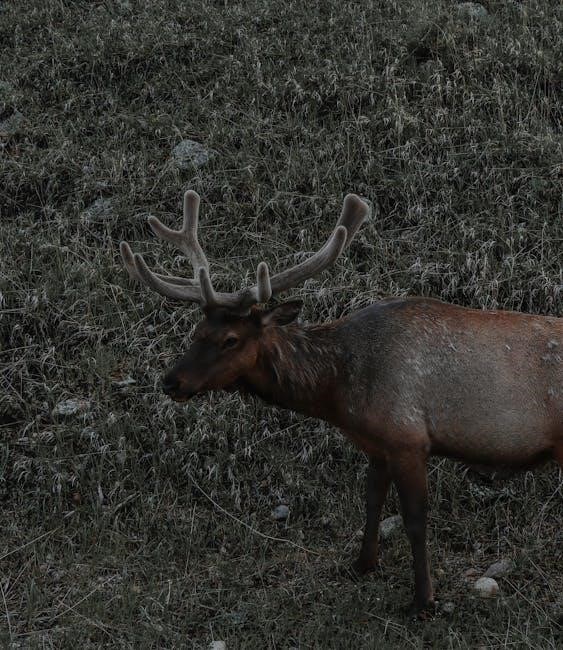
Planning Your Kentucky Elk Hunt
Successful Kentucky elk hunts require careful planning, considering peak rutting season, essential gear, physical fitness, and nearby lodging options for a rewarding experience.
Best Time of Year to Hunt Elk in Kentucky
Determining the optimal time to hunt elk in Kentucky significantly increases your chances of success. The rutting season, typically occurring in October and early November, presents the most active period for elk behavior. During this time, bulls are aggressively pursuing cows, making them less cautious and more responsive to calling techniques. However, hunting can be productive throughout the entire season, which runs into January.
Scouting beforehand is crucial to identify areas with high elk activity, focusing on feeding grounds and travel corridors. Early season hunts can capitalize on elk still patterned from summer routines, while late-season hunts may require adapting to winter feeding habits. Remember to check the KDFWR website for specific season dates and zone regulations before planning your trip.
Essential Gear and Equipment
Preparing for a Kentucky elk hunt requires careful consideration of essential gear. A quality rifle with appropriate ammunition is paramount, alongside reliable binoculars for scouting and identifying elk at a distance. Durable, waterproof hunting clothing is crucial, given Kentucky’s variable weather conditions. Don’t forget a comfortable and supportive backpack to carry essential supplies like water, snacks, and a first-aid kit.
Essential tools include a sharp hunting knife for field dressing, game bags for meat preservation, and a rangefinder for accurate shot placement. A bugle and calls are vital for attracting elk during the rut. Finally, a GPS device or map and compass are invaluable for navigating Kentucky’s terrain.
Physical Fitness Requirements
Kentucky elk hunts often involve navigating rugged, mountainous terrain, demanding a good level of physical fitness. Hunters should be prepared for extended periods of walking, hiking, and potentially climbing steep slopes. Stamina is key, as tracking elk can require covering significant distances throughout the day.
Strength is also important for packing out harvested game, which can weigh over 200 pounds. Prior cardiovascular exercise, such as running or hiking, is highly recommended. Strength training, focusing on legs and core, will also prove beneficial. Preparing physically beforehand will significantly enhance your hunting experience and safety.
Accommodation Options Near Elk Hunting Areas
Eastern Kentucky offers diverse lodging choices for elk hunters, ranging from rustic cabins to comfortable hotels. Many outfitters, like TimberBuck Outfitters located in Olaton, may offer on-site accommodations or partner with local establishments. Expect options in towns near key hunting zones, such as Hazard, Pikeville, and Whitesburg.
Cabins provide a secluded, immersive experience, while hotels offer more conventional amenities. Booking well in advance is crucial, especially during peak elk season. Consider proximity to hunting grounds and access to essential services. Some hunters also opt for camping, but be prepared for potentially challenging weather conditions.
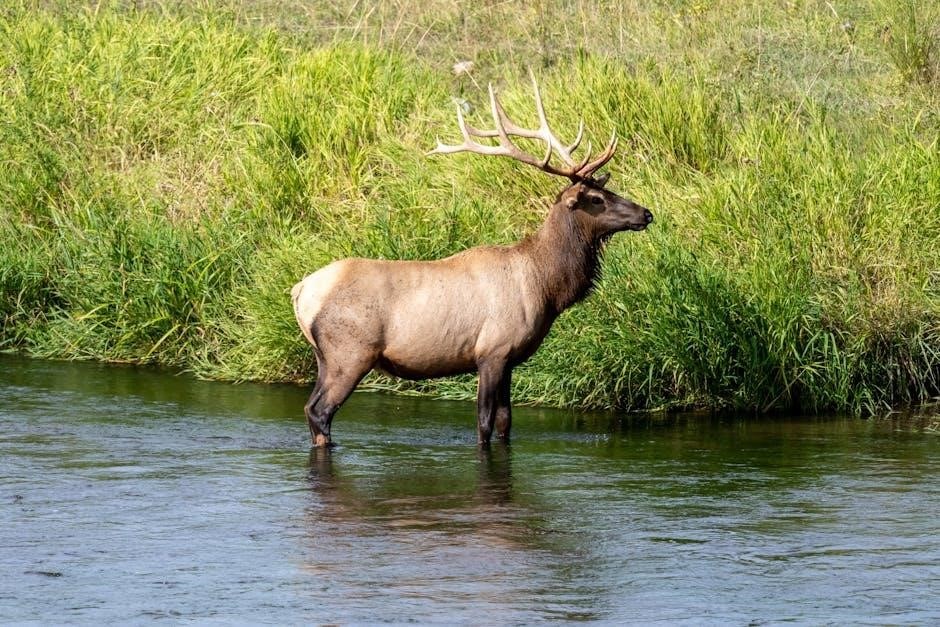
Understanding Elk Behavior in Kentucky
Kentucky elk exhibit distinct rutting behaviors and feeding patterns, crucial for successful hunts; scouting for sign—tracks and rubs—is essential for locating herds.
Elk Rutting Season and Calling Techniques
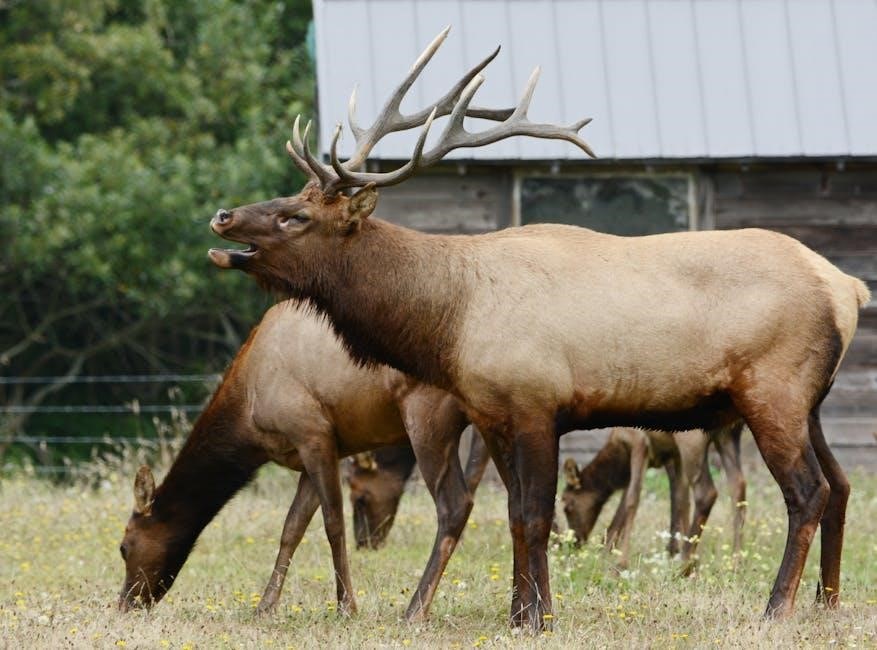
The elk rutting season in Kentucky is a prime time for hunters, as bulls actively seek cows, becoming less cautious and more responsive to calls. Mastering elk calling techniques is vital during this period. Hunters employ various calls – bugles, grunts, and cow calls – to attract elk. Bugling, a distinctive vocalization made by bulls, can draw them in from considerable distances.
However, effective calling requires understanding the context; a misplaced call can spook wary elk. Skilled Kentucky elk guides possess the expertise to mimic elk vocalizations accurately and strategically, increasing the chances of a successful hunt. They understand when and how to use each call type, adapting to the specific situation and elk behavior. Patience and observation are key components of successful calling strategies.
Elk Feeding Habits and Scouting
Understanding elk feeding habits is crucial for successful scouting in Kentucky. Elk are opportunistic feeders, consuming grasses, forbs, shrubs, and tree bark, shifting their diet seasonally. Scouting involves identifying key food sources like open fields, clearings, and areas with abundant vegetation. Looking for elk sign – tracks, droppings, and rubs – near these areas indicates recent activity.
Experienced Kentucky elk guides excel at interpreting these signs, pinpointing where elk are likely to be feeding. They also consider terrain features, such as ridges and saddles, which elk often use for travel between feeding and bedding areas. Consistent scouting, combined with knowledge of elk behavior, dramatically improves hunting success.
Recognizing Elk Sign (Tracks, Rubs, etc.)
Identifying elk sign is fundamental to effective scouting with Kentucky elk guides. Elk tracks are significantly larger than deer tracks, typically measuring around 4-5 inches long. Rubs, created when bulls scrape antlers against trees, indicate territory marking and rut activity. Wallows, depressions in the ground, are often used by bulls during the rut to attract cows.
Guides expertly interpret these signs, differentiating between fresh and old activity. They also look for droppings (elk scat), which provide clues about diet and movement patterns. Recognizing these subtle indicators allows guides to pinpoint elk locations and predict their movements, maximizing hunting opportunities for clients.
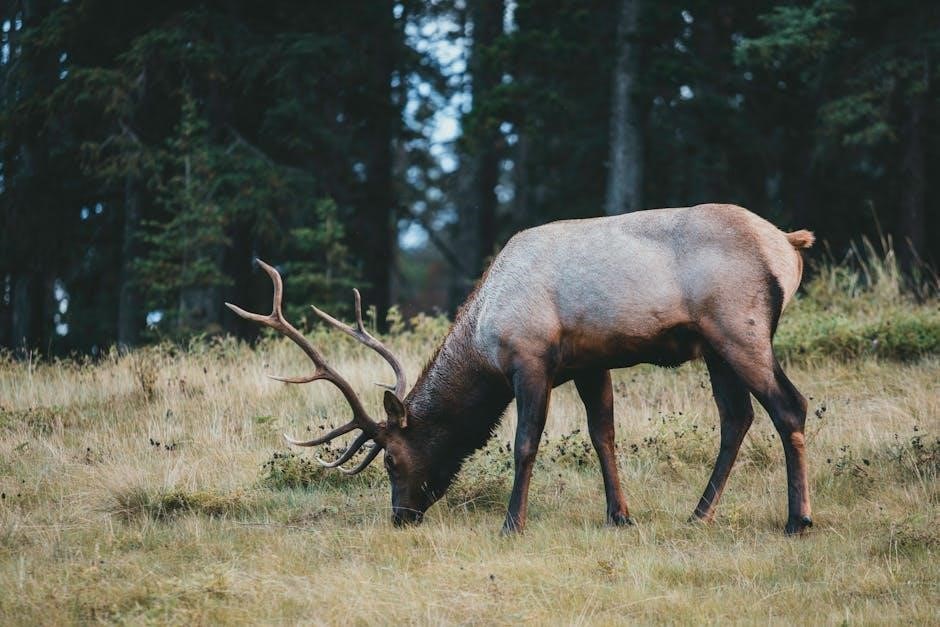
Kentucky Elk Hunting Techniques
Experienced Kentucky elk guides utilize spot and stalk, bugling/calling, and stand hunting strategies, adapting to terrain and elk behavior for successful harvests.
Spot and Stalk Hunting
Spot and stalk hunting for elk in Kentucky requires patience, keen observation skills, and a thorough understanding of the terrain. Skilled Kentucky elk guides excel at locating elk herds from a distance, utilizing binoculars and knowledge of preferred feeding and bedding areas. Once located, the guide will carefully plan a stalk, considering wind direction, cover, and the elk’s movements.
This technique demands stealth and the ability to navigate challenging landscapes quietly. Guides often utilize natural features for concealment, slowly closing the distance while remaining undetected. Successful spot and stalk hunts rely heavily on the guide’s ability to read the elk’s behavior and anticipate their reactions, ultimately providing a challenging and rewarding hunting experience.
Bugling and Calling Strategies
Effective bugling and calling are crucial components of Kentucky elk hunting, particularly during the rutting season. Experienced guides possess a deep understanding of elk vocalizations and utilize various calls – bugles, cow calls, and grunt calls – to attract bulls. They can accurately mimic these sounds, creating realistic scenarios that pique an elk’s curiosity.
A skilled guide doesn’t just call randomly; they strategically time calls based on elk behavior and location. They understand how to create calling sequences that simulate a breeding scenario, drawing bulls closer for a shot. Patience and the ability to read the elk’s response are key, as overcalling can spook wary animals.
Stand Hunting for Elk
Stand hunting is a popular and effective technique employed by Kentucky elk guides, capitalizing on elk travel patterns and feeding areas. Guides meticulously scout locations, identifying pinch points, wallows, and trails frequently used by elk. They then strategically position hunters in elevated stands or ground blinds, ensuring optimal visibility and scent control.
Successful stand hunting requires patience and a keen awareness of wind direction. Guides emphasize the importance of remaining scent-free and minimizing movement to avoid detection. They often use rangefinders to accurately determine distances to potential shooting lanes, preparing hunters for quick and precise shots when elk appear.
Post-Harvest Considerations
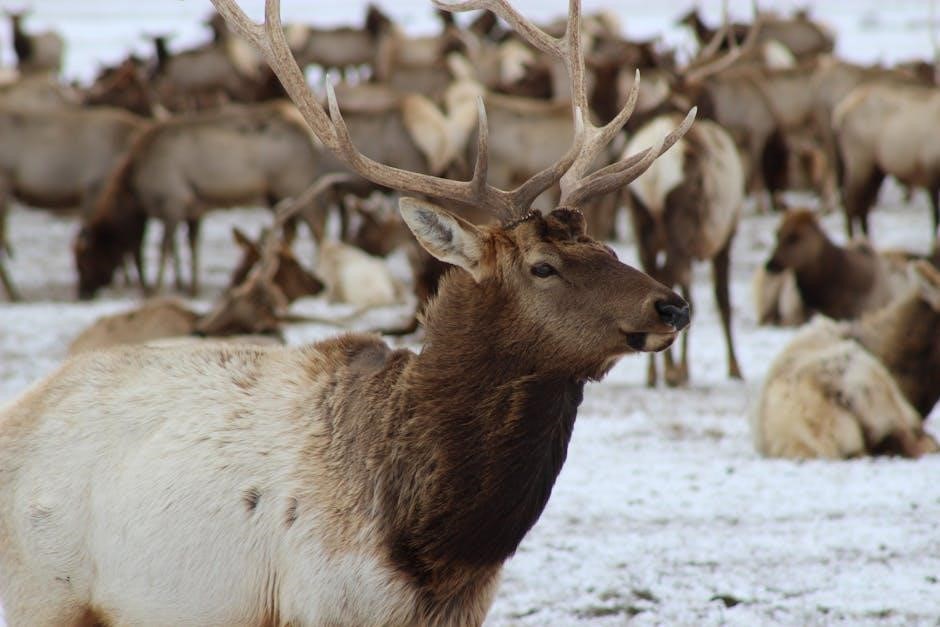
Kentucky elk guides expertly assist with field dressing, processing, and legally transporting harvested elk meat, ensuring proper reporting to the KDFWR.
Field Dressing and Processing Elk
Experienced Kentucky elk guides are invaluable after a successful hunt, providing crucial assistance with field dressing your elk promptly and correctly. This initial step is vital for preserving meat quality, preventing spoilage, and ensuring a clean harvest. Guides will demonstrate proper techniques for removing the entrails, cooling the carcass, and protecting it from insects and the elements.
Following field dressing, processing the elk involves further breakdown into manageable cuts. Many guides offer connections to local processors, or can advise on best practices for DIY processing. Proper handling and chilling are paramount throughout this stage. Understanding Kentucky’s regulations regarding meat transportation and storage is also key, and your guide will ensure compliance.
Transportation of Elk Meat
Kentucky elk hunting guides emphasize strict adherence to KDFWR regulations regarding the transportation of harvested elk meat. Proper tagging is essential; your guide will assist with attaching the necessary tags to the carcass immediately after harvest, ensuring legal transport. Maintaining the meat at safe temperatures during transport is critical – guides often provide coolers and guidance on ice packing.
Regulations dictate specific requirements for transporting elk meat across state lines, if applicable. Your guide will be knowledgeable about these rules and can help navigate any complexities. Documentation, including harvest reports and tags, must accompany the meat at all times. Responsible transportation safeguards the quality of your harvest and ensures compliance with the law.
Reporting Your Harvest to KDFWR
Kentucky elk hunting guides prioritize accurate and timely harvest reporting to the Kentucky Department of Fish and Wildlife Resources (KDFWR). Your guide will facilitate this process, ensuring all required information – including date, location, and hunter details – is submitted promptly. This reporting is crucial for KDFWR’s elk management programs and population monitoring.
Guides typically handle the initial reporting electronically or via phone, streamlining the process for hunters. Maintaining accurate records is vital; your guide will assist with completing any necessary forms. Failure to report a harvest can result in penalties, so relying on your guide’s expertise is highly recommended.
Resources for Kentucky Elk Hunters
Essential resources include the KDFWR website, the new KY Deer & Elk app, and local hunting supply stores for gear and expert advice.
Kentucky Fish and Wildlife Resources Website
The Kentucky Department of Fish and Wildlife Resources (KDFWR) website is the central hub for all things elk hunting in the state. It provides comprehensive information regarding regulations, permit applications, hunting season dates, and zone details. Hunters can access crucial details about legal hunting methods, ensuring compliance with state laws.
Furthermore, the KDFWR website offers valuable resources on elk biology, behavior, and habitat within Kentucky. This knowledge is invaluable for successful hunting strategies and responsible wildlife management. The site also features updates on elk population trends and conservation efforts.
Notably, the KDFWR partnered to create the new KY Deer & Elk app, accessible through their website, streamlining access to vital hunting information.
New KY Deer & Elk App
The recently launched KY Deer & Elk app, a collaboration between the Kentucky Department of Fish and Wildlife Resources and Kentucky Fish and Wildlife, is a game-changer for hunters. This innovative application provides convenient access to essential hunting information directly on your smartphone.
Hunters can easily view regulations, check harvest reports, and stay updated on season dates and zone boundaries. The app streamlines the permit application process, making it more efficient and user-friendly. It also offers offline access to critical data, ensuring reliability even in remote hunting locations.
This digital tool enhances the overall hunting experience and promotes responsible wildlife management within Kentucky.
Local Hunting Supply Stores
Kentucky boasts numerous hunting supply stores catering to elk hunters, offering essential gear and expert advice. These local businesses are invaluable resources for both residents and non-residents preparing for their hunts. They stock a wide range of equipment, including specialized elk calls, camouflage clothing, and durable hunting boots.
Knowledgeable staff can provide insights into local hunting conditions, preferred calling techniques, and effective scouting strategies. Beyond equipment, these stores often sell maps, licenses, and offer guidance on Kentucky’s hunting regulations.
Supporting these local businesses strengthens the hunting community and ensures access to vital resources for a successful elk hunt.