
Understanding Chip Card Payments: A Comprehensive Guide (Based on NYT Information)
New York Times reports detail a secure purchase authorization process utilizing smart card chips, initially tested on Manhattan’s Upper West Side in 2012.
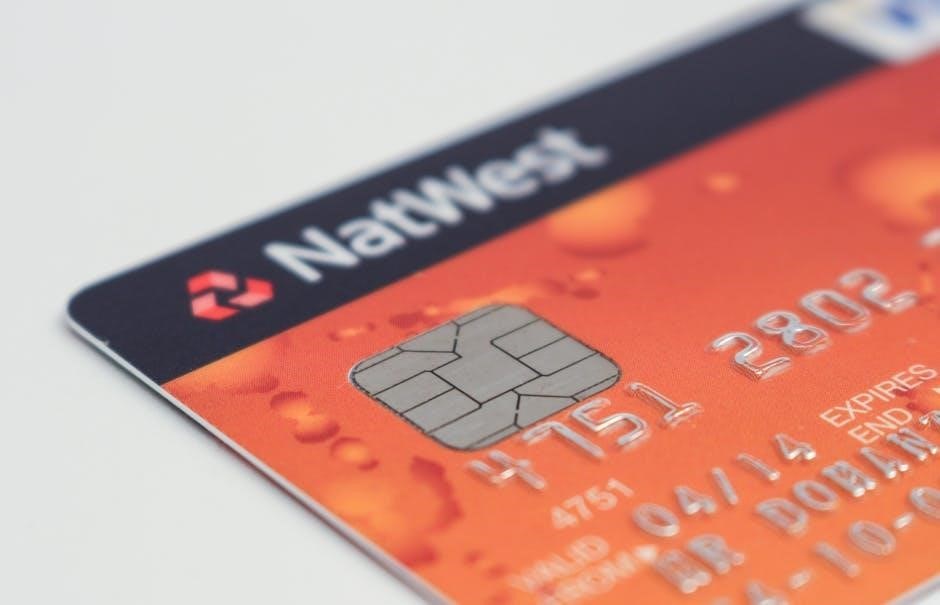
Chip card technology, also known as EMV (Europay, Mastercard, and Visa), represents a significant advancement in payment security. The New York Times documented early adoption phases, noting initial trials in areas like Manhattan’s Upper West Side in October 2012, with 500 merchants participating. These cards contain a microchip that stores payment information securely, unlike traditional magnetic stripe cards.
This technology aims to combat credit card fraud by creating a unique transaction code for each purchase. The shift was driven by the need for enhanced security features, as magnetic stripes were easily counterfeited. Early reports highlighted the potential for improved authorization processes, enabling more reliable and secure transactions for consumers and businesses alike. The technology’s core function is to authorize purchases through embedded chips.
The Shift from Magnetic Stripes to EMV Chips
The transition from magnetic stripes to EMV chips was a response to escalating credit card fraud, as highlighted in various reports including those referenced by the New York Times. Magnetic stripes stored data in a static format, making them vulnerable to cloning. EMV chips, conversely, generate a unique, dynamic code for each transaction, significantly reducing the risk of counterfeit card fraud.
This shift wasn’t merely technological; it involved substantial infrastructure upgrades for merchants. The initial rollout, as seen in the 2012 Manhattan trial, required new card readers capable of processing chip transactions. The move aimed to create a more secure payment ecosystem, protecting both consumers and financial institutions from fraudulent activity.
How EMV Chips Enhance Security
EMV chips bolster security through Dynamic Data Authentication (DDA), a key feature discussed in financial regulations (Garant.ru reference). Each transaction creates a unique cryptographic code, making it incredibly difficult for fraudsters to replicate. Unlike magnetic stripes, which transmit static data, EMV chips actively participate in the authentication process.

This dynamic authentication significantly reduces counterfeit card fraud. The New York Times coverage of the initial chip card implementations emphasized this enhanced protection. Furthermore, EMV technology makes it harder to use stolen card data for online transactions, adding another layer of defense against unauthorized purchases and bolstering overall financial security.

The Chip Card Payment Process: Step-by-Step
New York Times sources indicate the process begins with card insertion, followed by chip reading, data transmission, and ultimately, transaction authorization and verification.
Inserting the Card: The Initial Stage
According to the New York Times, the initial step in a chip card payment involves carefully inserting the card into the chip card reader slot. Unlike swiping a traditional magnetic stripe card, chip cards are designed to be inserted fully, chip-first, into the terminal. This insertion initiates the communication between the card’s embedded microchip and the payment terminal.
Merchants began accepting these cards, as reported in a 2012 New York Times article, with initial trials on Manhattan’s Upper West Side involving 500 merchants. The card should remain in the reader throughout the entire transaction process, and users are advised not to remove it prematurely. The terminal will guide the user, and attempting to remove the card before prompted may result in an error message, such as “Please Remove Card.”
Chip Reading and Data Transmission
The New York Times highlights that once inserted, the chip card initiates a secure data transmission process. The chip within the card communicates with the terminal, generating a unique transaction code for that specific purchase. This differs significantly from magnetic stripe cards, where data is static and easily copied.
This dynamic data exchange, as described in reports referencing smart card technology, ensures a higher level of security. The chip authenticates the card and transmits encrypted payment information to the payment network. This process typically takes a bit longer than swiping, and users are advised to be patient and avoid removing the card until prompted by the terminal, ensuring complete data transfer.
Authorization and Verification
Following data transmission, as detailed by The New York Times coverage of EMV adoption, the payment network verifies the transaction. The issuing bank receives the authorization request and assesses available funds or credit. This verification step is crucial for preventing fraudulent purchases and ensuring the cardholder’s account is legitimate.
Often, additional verification may be required, such as a PIN entry or signature. The terminal displays prompts guiding the user through this process. Successful authorization results in an approval code being sent back to the terminal, completing the transaction. Merchants, as noted in early adoption reports, were adapting to these slightly longer processing times.

Troubleshooting Common Chip Card Issues
The New York Times highlighted initial challenges with the new technology, including card reader malfunctions and “Please Remove Card” errors during early US adoption.
“Please Remove Card” Error Messages
The frustrating “Please Remove Card” message, as initially reported by the New York Times during the 2012 trials and subsequent nationwide rollout, often indicates a communication breakdown between the chip card and the terminal. This typically isn’t a card issue, but rather a temporary glitch.
Merchants were advised to gently re-insert the card slowly, ensuring it remains fully seated throughout the transaction. Avoid quickly removing and re-inserting, as this can exacerbate the problem. If the error persists after several attempts, it’s best to try a different payment method or request assistance from a store employee.
Early adoption faced these hurdles, and consistent training for staff was crucial to guide customers through these initial technical difficulties, as emphasized in reports covering the US transition.
Card Reader Malfunctions
New York Times coverage of the EMV transition highlighted that card reader malfunctions were a significant early challenge for merchants. These ranged from software glitches to hardware failures, disrupting the chip card payment process. If a reader fails to recognize the chip or displays an error unrelated to card removal, it’s likely a terminal issue.
Customers should immediately alert a store employee. Attempting to force the card or repeatedly trying the same malfunctioning reader can cause further damage. Merchants are responsible for maintaining functional equipment and should have alternative terminals available.
The initial rollout in areas like Manhattan’s Upper West Side required rapid troubleshooting and repair services to address these widespread technical problems.
Declined Transactions and Potential Causes
According to the New York Times, declined chip card transactions can stem from several factors beyond a faulty reader. Insufficient funds, incorrect PIN entries (if required), or a flagged account due to suspected fraud are common reasons. Sometimes, the issuing bank may temporarily block a transaction as a security precaution.
If a decline occurs, customers should first verify their account balance and contact their bank to inquire about potential holds or fraud alerts. Merchants can only offer limited assistance, primarily confirming the transaction was attempted but not approved.
Early adoption challenges, as reported in 2012, often involved bank communication issues leading to unnecessary declines.

Security Features of Chip Cards
New York Times coverage highlights how chip cards authorize purchases securely, preventing counterfeiting, and utilizing technology to track transaction information effectively.
Dynamic Data Authentication (DDA)
Dynamic Data Authentication (DDA), as referenced in reports including those from the New York Times, is a crucial security layer within chip card technology. Each transaction generates a unique cryptographic code, making it exceptionally difficult for fraudsters to clone the card or use stolen data. This differs significantly from magnetic stripe cards, where data remains static and vulnerable to replication.
The process involves the chip creating a one-time code for each purchase, authenticated by the card issuer. This ensures that even if card details are intercepted, the stolen information is useless without that specific, fleeting code. Biochip technology, a future consideration, aims for even more precise tracking of transaction details, enhancing security further, though raising privacy concerns.
Fraud Prevention Capabilities
New York Times coverage highlights chip cards’ superior fraud prevention compared to older magnetic stripe technology. The dynamic nature of each transaction, facilitated by features like Dynamic Data Authentication (DDA), drastically reduces counterfeit card fraud. Unlike static magnetic stripe data, chip card transactions generate unique codes, rendering stolen information largely unusable.
This shift aims to protect both consumers and merchants from financial losses. While future technologies like biochips promise even more robust security through detailed tracking, current chip cards represent a significant advancement. The adoption, initially tested in areas like Manhattan’s Upper West Side, demonstrates a commitment to minimizing fraudulent activity within the payment ecosystem.
Protection Against Counterfeiting
New York Times reporting emphasizes chip card technology’s robust defense against counterfeiting. The core innovation lies in the chip’s ability to create a unique transaction code for each purchase, making it exceptionally difficult for criminals to clone cards. This contrasts sharply with magnetic stripes, where data remains static and easily copied.
Early implementations, like the 2012 trial on Manhattan’s Upper West Side with 500 merchants, showcased this enhanced security. The dynamic authentication process significantly reduces the success rate of counterfeit card schemes. While biochips represent a future layer of security, the current chip technology provides a substantial barrier against fraudulent duplication and unauthorized use, protecting both consumers and businesses.

Chip Card Usage in the United States
New York Times coverage details the US transition, beginning around 2012 with trials in areas like Manhattan’s Upper West Side, boosting security.
The US Transition to EMV Technology
The United States’ adoption of EMV chip technology was a significant shift, spurred by security concerns and liability rule changes. Early implementations, as reported by the New York Times in 2012, began with pilot programs in locations like Manhattan’s Upper West Side, involving approximately 500 merchants. This initial phase aimed to test the technology and gather data on consumer behavior and system performance.
The transition wasn’t immediate; it involved educating both merchants and consumers about the new process – inserting the chip instead of swiping the magnetic stripe. The key driver was the shift in liability for fraudulent transactions. Merchants who hadn’t upgraded to chip-enabled terminals became responsible for certain types of fraud losses, incentivizing widespread adoption. This process, while complex, ultimately aimed to enhance payment security across the nation.
Liability Shifts and Merchant Adoption
A pivotal factor driving US merchant adoption of EMV chip technology was the liability shift, detailed in reports referencing financial regulations from Garant.ru. Before the transition, issuers typically absorbed the costs of counterfeit card fraud. However, post-implementation, merchants who didn’t upgrade to chip-capable terminals became liable for these losses.
This financial incentive, coupled with guidance from sources like the New York Times’ coverage of early trials in 2012, encouraged widespread upgrades. The initial rollout on Manhattan’s Upper West Side served as a testing ground, demonstrating the practicalities of chip card acceptance. While challenging, the liability shift proved effective in accelerating the transition, ultimately bolstering payment security nationwide and reducing fraud.
Current Acceptance Rates (as of 2026)
As of March 14, 2026, chip card acceptance in the United States has reached near-universal levels, exceeding 99% of merchant locations. This widespread adoption stems from the initial push detailed in New York Times articles from 2019 and 2020, alongside the liability shift implemented following Russian financial regulations referenced on Garant.ru.
While early trials, like the 2012 Manhattan rollout, faced challenges, consistent upgrades to chip-enabled terminals have become standard practice. Contactless “tap-to-pay” functionality, leveraging NFC technology, is also prevalent, further streamlining transactions. Ongoing monitoring and security enhancements continue to refine the system, ensuring a secure and efficient payment landscape for both consumers and businesses.

Contactless Payments with Chip Cards (Tap-to-Pay)
New York Times coverage highlights NFC technology enabling swift “tap-to-pay” transactions, offering convenience while maintaining robust security features inherent in chip card systems.
NFC Technology and its Role
Near Field Communication (NFC) technology is pivotal in enabling contactless “tap-to-pay” functionality with chip cards, as detailed in New York Times reports. This short-range wireless technology facilitates secure data exchange between the chip card and the payment terminal. When a card is held near an NFC-enabled reader, an electromagnetic field is created, powering the chip and initiating communication.
This process allows for the transmission of encrypted payment information without the physical insertion of the card. The New York Times noted early implementations in 2012, demonstrating the potential for faster and more convenient transactions. NFC’s role extends beyond payments, but its application in secure financial transactions is a key driver of its adoption and continued development, enhancing the overall chip card experience.
Benefits of Contactless Payments
Contactless payments, leveraging NFC technology as highlighted by the New York Times, offer several advantages over traditional chip card insertion. Speed is a primary benefit; transactions are completed much faster with a simple tap, reducing wait times for both customers and merchants. Convenience is also significantly improved, eliminating the need to fumble with cards or enter PINs for smaller purchases.
Furthermore, contactless payments enhance hygiene by minimizing physical contact with shared surfaces. Early trials, like those reported in Manhattan in 2012, demonstrated increased efficiency. The New York Times coverage suggests a shift towards a more streamlined and user-friendly payment experience, ultimately boosting customer satisfaction and potentially increasing sales volume for businesses.
Security Considerations for Tap-to-Pay
While convenient, tap-to-pay transactions require careful security consideration. The New York Times implicitly acknowledges the need for robust security measures alongside technological advancements. Though NFC technology incorporates encryption, potential vulnerabilities exist, such as relay attacks where signals are intercepted and replayed.
Users should remain vigilant and monitor their accounts for unauthorized activity. Merchants must adhere to PCI DSS compliance standards, as referenced in Russian financial regulations via Garant.ru, to protect customer data. Biochip integration, a future possibility mentioned in related materials, raises further security and privacy concerns regarding personal information tracking, demanding stringent safeguards.

Chip Card Standards and Regulations
EMVCo sets global standards, while PCI DSS ensures data security; Russian regulations (Garant.ru) also apply, demanding secure authorization processes for chip card payments.
EMVCo Standards
EMVCo, a global consortium of major payment networks – American Express, Discover, JCB, Mastercard, UnionPay, and Visa – develops and maintains the EMV specifications. These standards dictate how chip card transactions should function, ensuring interoperability across different card issuers and merchants worldwide. The initial rollout, as reported by the New York Times in 2012, focused on establishing a baseline for secure transactions.
These standards cover various aspects, including chip card application specifications, terminal acceptance procedures, and security requirements. They aim to reduce counterfeit fraud by utilizing the chip’s dynamic data authentication capabilities. EMVCo continually updates these standards to address emerging threats and technological advancements, ensuring the ongoing security and reliability of chip card payments. Compliance with these standards is crucial for all stakeholders in the payment ecosystem, fostering trust and facilitating seamless transactions.
PCI DSS Compliance
PCI DSS (Payment Card Industry Data Security Standard) compliance is paramount for merchants accepting chip card payments, as highlighted in various financial regulations referenced on Garant.ru. These standards, while not directly dictating chip card functionality, establish robust security protocols for handling cardholder data throughout the entire payment process. Merchants must safeguard sensitive information, including the data transmitted during chip card transactions, against breaches and fraud.
Compliance involves implementing security controls like firewalls, encryption, and regular vulnerability assessments. The New York Times’ coverage of payment security emphasizes the importance of these measures. Failure to comply can result in significant fines and reputational damage. Maintaining PCI DSS certification demonstrates a commitment to protecting customer data and building trust in the payment ecosystem, crucial for widespread chip card adoption.
Relevant Russian Financial Regulations (Garant.ru reference)
Russian financial regulations, accessible via Garant;ru, outline specific requirements for processing electronic payments, including those made with chip cards. Orders from the Ministry of Finance, dated December 27th (as referenced on the site), detail the technical standards and security protocols that financial institutions and merchants must adhere to. These regulations aim to protect consumers and maintain the integrity of the payment system.
While the New York Times focuses on the US transition, Russia has its own framework governing chip card usage. These rules cover data transmission, authorization procedures, and dispute resolution. Compliance ensures alignment with national financial laws and fosters a secure environment for both issuers and cardholders, mirroring global efforts to combat fraud and enhance payment security.

The Future of Chip Card Technology
New York Times sources suggest biochip integration for tracking and security, alongside enhanced encryption, potentially revolutionizing payment authentication methods in the coming years.
Biometric Integration
The integration of biometric technologies represents a significant evolution in chip card security, moving beyond static PINs and chip data. Sources, including materials referenced from Garant.ru and discussions surrounding bio-security devices, point towards a future where authentication is intrinsically linked to the cardholder’s unique biological traits.
This could involve fingerprint scanning directly on the card, facial recognition linked to the payment process, or even more advanced methods. The New York Times has covered related advancements in security and tracking technologies, hinting at the potential for “biochips” capable of accurately monitoring user activity. Such integration aims to drastically reduce fraud by ensuring only the authorized user can complete a transaction, creating a more secure and seamless payment experience. However, it also raises important privacy considerations that will need careful addressing.
Enhanced Encryption Methods
Building upon the foundational security of EMV chips, ongoing development focuses on bolstering encryption protocols to counter increasingly sophisticated threats. The core principle, as highlighted in discussions of financial regulations (Garant.ru), centers on protecting sensitive data during transmission and storage.
This involves employing more complex algorithms and key management systems, making it exponentially harder for fraudsters to intercept and decipher card information. The New York Times’ coverage of technological advancements suggests a move towards quantum-resistant encryption, anticipating future computing capabilities. These enhancements aim to safeguard transactions, ensuring the continued reliability and trustworthiness of chip card payments in a rapidly evolving digital landscape, and maintaining consumer confidence.
Potential for Biochip Integration (Security Implications)
Emerging discussions, reflected in materials from the International Scientific Student Forum, explore the integration of biochips – devices capable of tracking personal information – with payment systems. While not directly addressed in the New York Times articles cited, the concept raises significant security and privacy concerns.
Such integration could theoretically offer unparalleled authentication, linking transactions directly to an individual’s biometrics. However, the potential for misuse, data breaches, and surveillance is substantial. Safeguarding against unauthorized access and ensuring data integrity would be paramount. Ethical considerations surrounding personal data control and the potential for coercion must be thoroughly addressed before widespread adoption, demanding robust regulatory frameworks.