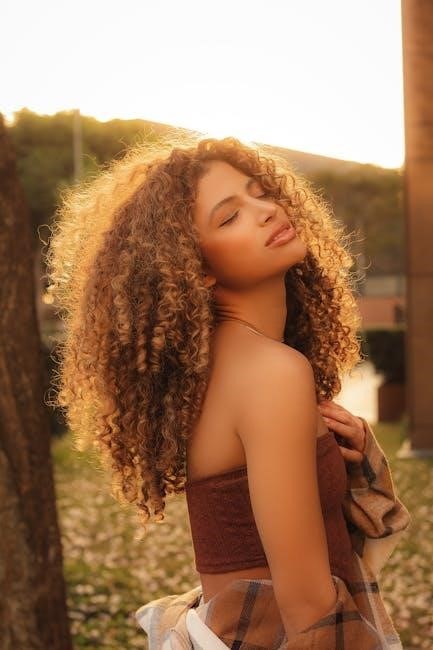
Golden Hour Photography offers stunning images with warm tones, easily accessible through guides like cheat sheets and PDF tutorials, enhancing your photography skills.
What is the Golden Hour?
The Golden Hour, a coveted time for photographers, is defined as the period shortly after sunrise or before sunset. Numerous resources, including comprehensive PDF cheat sheets, detail this phenomenon. During this time, the sun sits low in the sky, casting a warm, soft light that dramatically enhances photographs.
These golden hour photography guides often explain that the low angle of the sun means light travels through more of the atmosphere, scattering blue light and leaving behind the warmer hues of red, orange, and yellow. A 13-page PDF, for example, provides insider tips for maximizing this light. It’s a magical hour, offering unbelievably flattering light, as noted in various tutorials and resources available online.
Why is the Golden Hour Ideal for Photography?
The Golden Hour is ideal due to the quality of light – soft, diffused, and warm – which is beautifully detailed in golden hour photography cheat sheets and PDF guides. This light minimizes harsh shadows and creates a flattering glow, perfect for portraits and landscapes.
PDF tutorials emphasize that the sun’s angle during this period acts as a natural softbox, wrapping subjects in a pleasing light. The warm tones enhance colors and add a magical quality to images. Resources highlight that it’s easier to achieve balanced exposures and vibrant results during this time, making it a favorite among photographers of all levels, as explained in various online resources and downloadable guides.
Understanding the Light During Golden Hour
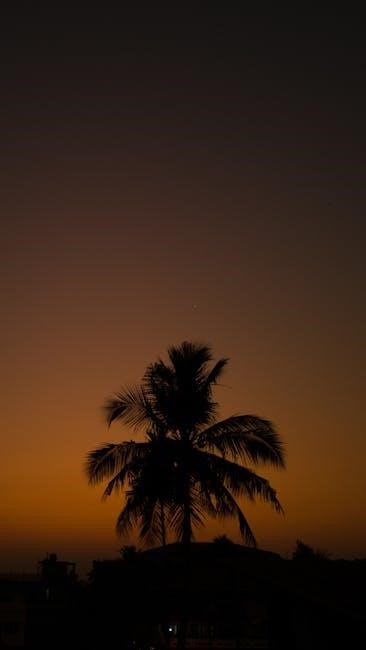
PDF guides detail how golden hour light is characterized by a low sun angle, warm color temperatures, and diffused illumination, creating soft shadows.
The Angle of the Sun
PDF resources emphasize that the defining characteristic of the golden hour is the sun’s low position in the sky. This low angle, occurring shortly after sunrise and before sunset, dramatically alters the quality of light. The sun’s rays travel through more of the atmosphere, scattering blue light and leaving behind the warmer hues of red, orange, and yellow.
This angle creates long, soft shadows, adding depth and dimension to photographs. Guides often illustrate how this angle impacts subject illumination, making it ideal for both landscapes and portraits. Understanding this angle is crucial; PDF cheat sheets often include sun position calculators or apps to predict the best times for shooting based on location and date. The lower the sun, the more pronounced these effects become, offering photographers a unique and fleeting opportunity.
Color Temperature and White Balance
PDF guides on golden hour photography consistently address color temperature. The light during this period is inherently warm, typically ranging from 2000K to 3000K. This warmth is a key aesthetic element, but it requires careful white balance adjustments. Many PDF cheat sheets recommend shooting in RAW format to allow for flexible post-processing of white balance.
Photographers can choose to embrace the warm tones or neutralize them for a more accurate representation. Guides often suggest using “shade” or “cloudy” white balance presets as a starting point, then fine-tuning in editing software. Understanding how your camera interprets these warm tones, as detailed in PDF tutorials, is vital for achieving consistent and pleasing results.
Diffused Light and Soft Shadows
Golden hour photography PDF resources emphasize the beautifully diffused light characteristic of this time. As the sun sits low on the horizon, its rays pass through more of the atmosphere, scattering the light and reducing harshness. This creates incredibly soft shadows, flattering for portraits and enhancing textures in landscapes.
PDF cheat sheets often illustrate how this diffused light minimizes the need for artificial diffusion, like softboxes. The gentle shadows also contribute to a more forgiving light, reducing the appearance of blemishes and wrinkles. Many tutorials within these PDF guides demonstrate techniques for utilizing these soft shadows to add depth and dimension to your images, resulting in a professional look.
Golden Hour Photography: Gear Essentials
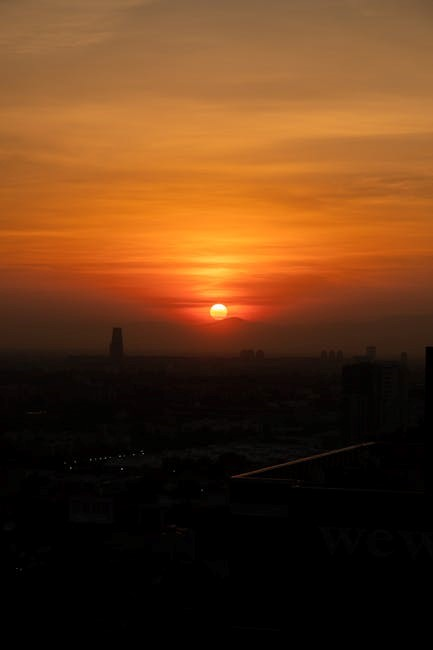
Golden hour photography PDF guides detail essential gear: cameras, lenses, tripods, and filters (ND & polarizing) for capturing optimal light and stunning results.
Camera Settings for Golden Hour
Golden hour photography PDF resources emphasize mastering camera settings for optimal results. Aperture choices depend on desired depth of field – wider apertures (like f/2.8) create shallow focus for portraits, while narrower apertures (f/8 to f/11) ensure sharpness in landscapes.
Shutter speed considerations are crucial; adjust to balance exposure with the available light, potentially using slower speeds and a tripod to avoid blur. ISO management is key to minimizing noise; start with the lowest possible ISO (usually 100) and increase only if necessary.
Many PDF guides suggest shooting in RAW format for maximum editing flexibility, allowing adjustments to white balance and exposure post-capture. Experimentation is encouraged, as ideal settings vary based on the scene and your creative vision.
Aperture Choices
Golden hour photography PDF guides detail how aperture significantly impacts image aesthetics. For portraits, wider apertures like f/1.8 to f/2.8 create a beautifully blurred background (bokeh), isolating the subject. Landscape photography typically benefits from narrower apertures, such as f/8 to f/16, ensuring greater depth of field and sharpness throughout the scene.
The PDF resources often recommend considering the number of subjects; more subjects require a larger depth of field. Experimentation is key, as the ideal aperture depends on your artistic intent and the specific scene. Remember that wider apertures let in more light, useful in fading golden hour conditions.
Shutter Speed Considerations
Golden hour photography PDF resources emphasize adjusting shutter speed to balance light and motion. As the sun dips, light diminishes, necessitating slower shutter speeds. However, slower speeds risk motion blur, especially when handholding the camera. A tripod becomes crucial for maintaining sharpness in low light.
PDF guides suggest starting with a shutter speed of 1/125th of a second and adjusting based on your aperture and ISO settings. For capturing moving subjects, a faster shutter speed (e.g., 1/250th or faster) is essential to freeze the action. Experimentation and reviewing your images are vital for finding the optimal balance.
ISO Management
Golden hour photography PDF guides consistently recommend prioritizing low ISO settings to minimize noise. Ideally, keep your ISO as close to its base value (usually ISO 100) as possible. This ensures the cleanest image quality, preserving detail and color accuracy. However, the diminishing light during golden hour may require a slight ISO increase.
PDF resources suggest incrementally raising the ISO only when necessary to achieve a proper exposure with your desired aperture and shutter speed. Be mindful of the trade-off between brightness and noise. Modern cameras handle higher ISOs better, but it’s still best to keep it as low as feasible for optimal results.
Essential Photography Equipment
Golden hour photography PDF checklists frequently highlight a few key pieces of equipment. A reliable camera, of course, is fundamental, alongside a versatile lens suited to your chosen subject – landscapes or portraits. Many PDF guides strongly recommend a sturdy tripod for maintaining sharpness, especially with slower shutter speeds needed in low light.
Filters are also crucial; Neutral Density (ND) filters help balance exposure, while polarizing filters reduce glare and enhance colors. These tools, detailed in many downloadable resources, allow greater control over light. Don’t forget extra batteries and memory cards – you’ll likely take many shots during this magical time!
Tripods for Stability
Golden hour photography PDF guides consistently emphasize the importance of tripods. As light diminishes during the golden hour, achieving sharp images often necessitates slower shutter speeds. A tripod eliminates camera shake, ensuring crisp details, particularly vital for landscapes.
Look for a tripod that’s sturdy enough to support your camera and lens combination, even in slight breezes. Carbon fiber tripods offer a good balance of weight and stability. Many PDF resources suggest considering a ball head for flexible positioning. Investing in a quality tripod is a worthwhile expense, significantly improving your golden hour results and overall image quality;
Filters (ND & Polarizing)
Golden hour photography PDF resources frequently highlight the benefits of using filters. Neutral Density (ND) filters reduce the amount of light entering the lens, allowing for longer exposures even in bright golden hour conditions – perfect for smoothing water or creating motion blur.
Polarizing filters minimize glare and reflections, enhancing color saturation and contrast, especially in skies and foliage. Many guides suggest combining both types of filters for maximum control. When selecting filters, ensure they are high-quality to avoid image degradation. Understanding how to utilize these filters, as detailed in various PDF guides, unlocks creative possibilities during the golden hour.

Golden Hour Portrait Photography
Golden hour photography PDF tutorials emphasize flattering light for portraits, utilizing posing techniques and backlighting for dramatic, beautiful results.
Posing Techniques for Golden Hour Portraits
Golden hour photography PDF guides frequently detail posing strategies to maximize the beautiful light. Gentle angles and soft expressions work exceptionally well, as the light is incredibly flattering.
Consider having your subject slightly angled towards the sun, allowing the light to wrap around their face. Avoid harsh, direct gazes into the sun, which can cause squinting and discomfort.
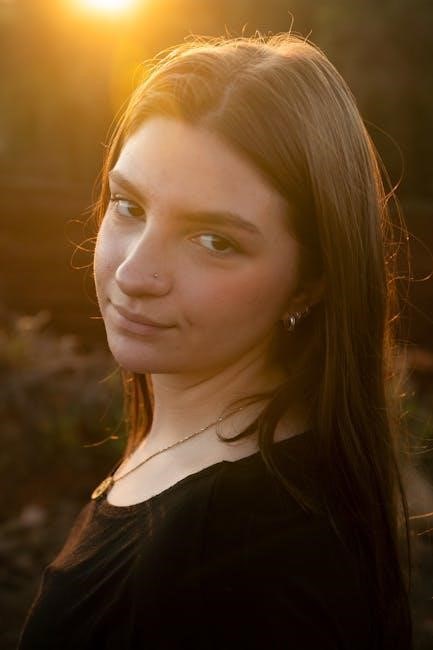
Posing with backlighting creates a soft, ethereal glow, and PDF resources often demonstrate how to achieve this. Encourage natural movements and interactions, rather than stiff, formal poses. Utilize props or the environment to add depth and interest to the composition. Remember, the goal is to capture genuine emotion and a connection with the warm, golden light.
Utilizing Backlighting for Dramatic Effects
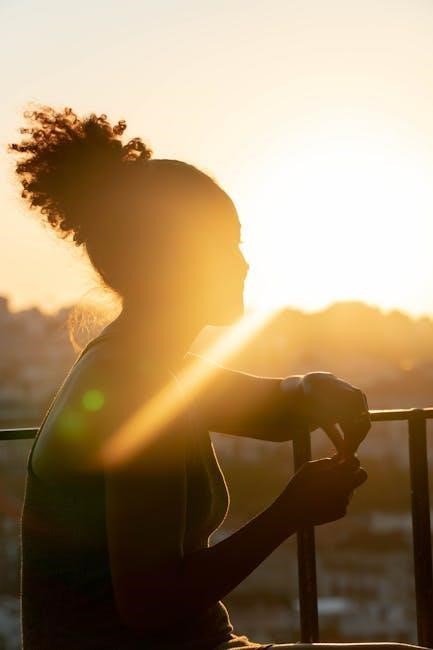
Golden hour photography PDF tutorials emphasize backlighting as a key technique for dramatic portraits. Positioning your subject with the sun behind them creates a stunning halo effect, separating them from the background.
This technique requires careful exposure compensation; slightly underexposing the scene prevents blown-out highlights. Utilize spot metering to accurately measure the light on your subject’s face.
Experiment with lens flare for an artistic touch, but be mindful of its intensity. PDF guides often showcase examples of controlled flare. Silhouettes are another powerful option when fully underexposing, creating a mysterious and captivating image. Backlighting adds depth, dimension, and a touch of magic to your golden hour portraits.
Golden Hour Portrait Lighting Tips
Golden hour photography PDF resources consistently highlight the importance of soft, diffused light for flattering portraits. The low sun angle minimizes harsh shadows, creating even illumination. Utilize reflectors to bounce light back onto your subject’s face, filling in any shadows and adding a gentle glow.
Positioning is crucial; experiment with angles to find the most flattering light. Many PDF guides suggest posing subjects to face slightly towards the sun, avoiding direct glare. Pay attention to catchlights in the eyes – they add life and sparkle.
Remember to adjust white balance to accurately capture the warm tones of the golden hour, enhancing skin tones and overall image quality.
Golden Hour Landscape Photography
Golden hour photography PDF guides emphasize finding compelling scenes and utilizing composition techniques to capture breathtaking sunsets and sunrises effectively.
Finding Compelling Landscape Scenes
Golden hour photography PDF resources consistently highlight the importance of pre-planning your landscape shoots. Scout locations beforehand to identify interesting features like hills, trees, rock formations, or bodies of water that will interact beautifully with the low-angled sunlight.
Consider how the light will fall across the scene during both sunrise and sunset – the direction and quality of light change dramatically. Look for leading lines that draw the viewer’s eye into the image, and utilize foreground elements to add depth and scale.

Don’t overlook the potential of simple scenes; even a field of wildflowers or a lone tree can become captivating during the golden hour. The key is to be observant and visualize how the warm, golden light will transform the landscape.
Composition Techniques for Golden Hour Landscapes
Golden hour photography PDF guides emphasize classic composition rules, particularly the rule of thirds. Position key elements along these lines or at their intersections for a balanced and visually appealing image. Utilize foreground interest – rocks, flowers, or textures – to create depth and draw the viewer into the scene.
Leading lines, such as roads, rivers, or fences, can guide the eye towards the focal point. Pay attention to symmetry and patterns, which can be particularly striking during the golden hour.
Experiment with negative space to create a sense of calm and simplicity. Finally, remember to consider the horizon line; placing it higher or lower can dramatically alter the mood of the photograph.
Capturing Golden Hour Sunsets and Sunrises
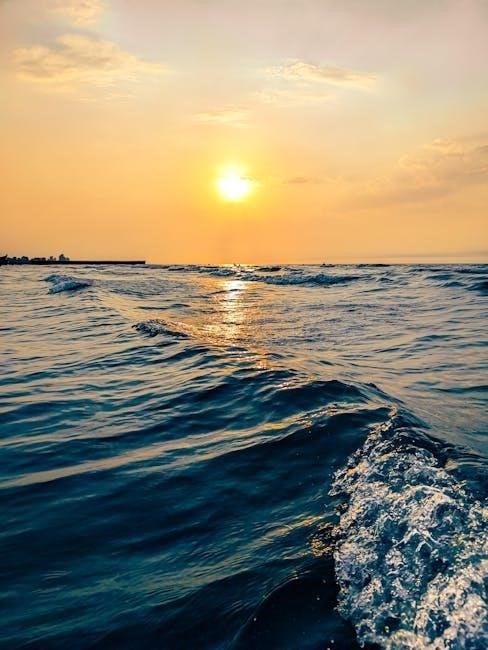
Golden hour photography PDF resources highlight the importance of pre-planning for sunset and sunrise shoots. Scout locations beforehand to identify compelling compositions and potential foreground elements. Arrive early to set up your gear and avoid rushing as the light changes rapidly.
Utilize a graduated neutral density (GND) filter to balance the bright sky with the darker foreground. Experiment with different exposure settings to capture the full dynamic range of the scene.
Don’t be afraid to underexpose slightly to preserve the vibrant colors in the sky. Remember to bracket your shots to ensure you capture the perfect exposure.
Golden Hour Photography: Specific Techniques
Golden hour photography PDF guides detail techniques like silhouettes, rim lighting, and reflector use, maximizing the warm light for creative and impactful images.
Silhouettes in Golden Hour
Silhouettes during the golden hour are a captivating technique, easily mastered with guidance from a golden hour photography PDF. These guides emphasize exposing for the bright sky, effectively turning your subject into a dark, defined shape.
The low sun angle is crucial; position your subject against the light source. PDF resources often demonstrate ideal camera settings – typically using spot metering on the sky and locking the exposure.
Composition is key; simple, recognizable shapes work best. A golden hour cheat sheet PDF will illustrate how to avoid distracting backgrounds and emphasize the subject’s outline. Experiment with poses that create interesting forms, and remember that strong backlighting is essential for a dramatic silhouette effect.
Rim Lighting and Hair Light
Rim lighting, or edge lighting, is beautifully achieved during golden hour, and golden hour photography PDF guides detail how to harness this effect. Positioning the sun directly behind your subject creates a glowing outline, separating them from the background.
Hair light, a specific type of rim light, adds a halo effect, enhancing texture and dimension. PDF resources often showcase camera angles and subject positioning for optimal results.
A golden hour cheat sheet PDF will suggest slightly underexposing the subject to intensify the rim light. Experiment with different sun angles to control the brightness and width of the rim. This technique adds depth and a magical quality to portraits, easily learned through practical application and visual examples found in these guides.
Using Reflectors to Enhance Light
Golden hour photography PDF guides frequently emphasize the power of reflectors to bounce sunlight and fill in shadows. Reflectors are crucial when the sun is low, and shadows are long and potentially harsh. A white reflector provides a soft, natural fill, while silver offers a brighter, more specular reflection.
PDF cheat sheets illustrate reflector placement – positioning it opposite the sun to bounce light back onto your subject’s face. Gold reflectors add warmth, complementing the golden hour’s natural tones.
Learning to effectively use reflectors, as detailed in these resources, allows you to control the light, minimizing harsh shadows and creating balanced, flattering portraits. Experimentation is key, and golden hour photography tutorials often demonstrate various reflector techniques.

Resources for Further Learning
Golden hour photography benefits from PDF cheat sheets, online tutorials, and comprehensive books, providing in-depth knowledge and practical photography guidance.
Golden Hour Photography Cheat Sheets (PDFs)
Golden hour photography cheat sheets, readily available as PDF downloads, are invaluable resources for photographers seeking to master this magical light. These guides condense essential information into a concise, easily accessible format, perfect for quick reference during shoots.
Typically, these PDFs cover optimal camera settings – aperture, shutter speed, and ISO – specifically tailored for the unique lighting conditions of the golden hour. They often include posing ideas for portraits, composition techniques for landscapes, and tips for utilizing backlighting and reflectors.
Many cheat sheets detail color temperature and white balance adjustments, ensuring accurate and pleasing color rendition. Some even offer a visual guide to the sun’s angle throughout the golden hour, helping photographers anticipate and capitalize on the changing light. A 13-page PDF provides insider tips, settings, and client prep guides.
Online Tutorials and Courses
Numerous online tutorials and courses cater to photographers eager to learn the art of golden hour photography. These resources often build upon the foundational knowledge provided in PDF cheat sheets, offering a more in-depth and interactive learning experience.
Many platforms host video tutorials demonstrating practical techniques, such as achieving flattering portrait lighting and capturing dramatic silhouettes. Courses frequently cover post-processing workflows, showing how to enhance golden hour images in editing software.
Some tutorials focus on specific genres, like landscape or wildlife photography, tailoring the instruction to unique challenges. These resources often include downloadable presets and action sets to streamline editing. Learning from experienced photographers through these platforms can significantly accelerate skill development and unlock creative potential.
Recommended Books on Photography Lighting
While golden hour photography is often learned through practical application and resources like PDF cheat sheets, foundational knowledge of lighting principles is invaluable. Several books delve into the intricacies of light, benefiting photographers of all levels.
“Light: Science & Magic” by Fil Hunter, Steven Biver, and Paul Fuqua is a comprehensive guide, exploring the physics and aesthetics of light. “The Photographer’s Guide to Natural Light” by Neil van Niekerk focuses specifically on utilizing natural light effectively, including the golden hour.
Books on portrait lighting, even those not exclusively about natural light, can provide insights into shaping light and creating flattering results. Understanding light modifiers and ratios will enhance your ability to master the golden hour’s unique qualities.

Golden Hour vs. Blue Hour
Golden Hour provides warm tones, while Blue Hour offers cooler hues; PDF guides help photographers choose the best time for desired aesthetic results.
Differences in Light Quality
Golden Hour light is characterized by its warm, soft, and directional qualities, stemming from the low angle of the sun. This creates long shadows and a generally flattering illumination, ideal for portraits and landscapes. Many PDF cheat sheets detail how this light interacts with subjects, emphasizing the rich, golden hues.
Conversely, Blue Hour light is cooler, softer, and more diffused, occurring just before sunrise and after sunset. It lacks the strong directional qualities of the Golden Hour, resulting in a more even illumination. PDF resources often highlight the unique mood created by Blue Hour, perfect for cityscapes and scenes where a tranquil atmosphere is desired. The color temperature differs significantly, with Golden Hour leaning towards warmer tones and Blue Hour exhibiting cooler, bluer shades.
When to Choose Golden Hour vs. Blue Hour
Selecting between Golden Hour and Blue Hour depends on the desired mood and subject matter. Golden Hour, detailed in many PDF guides, is excellent for warm, vibrant scenes, portraits with flattering light, and landscapes emphasizing texture. It’s ideal when you want to evoke feelings of warmth and happiness.
Blue Hour, as explained in various photography tutorials and PDFs, suits scenes requiring a cooler, more serene atmosphere. Cityscapes, architecture, and moody landscapes benefit from its even illumination. If you aim for a tranquil, mysterious, or dramatic effect, Blue Hour is preferable. Consider the color palette – warm for Golden Hour, cool for Blue Hour – when making your choice.