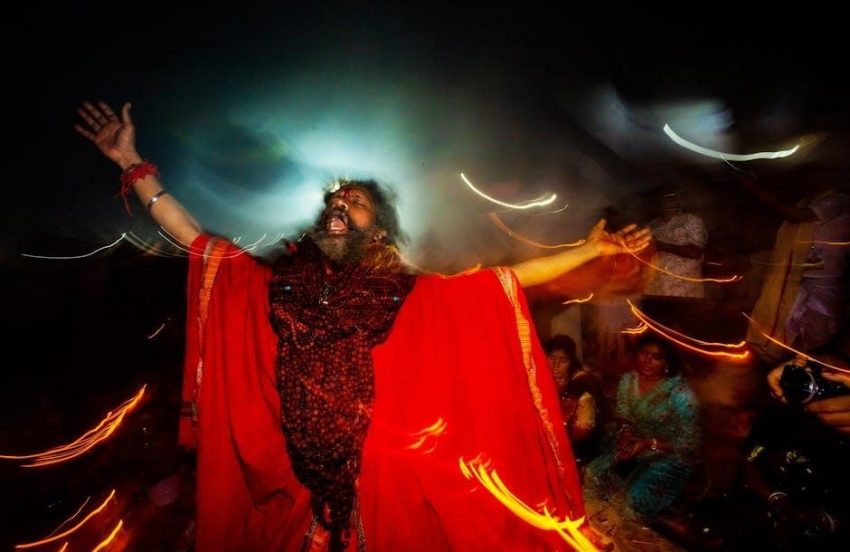
Article Plan: Mystical Passion, Spirituality, and Sensuality
Exploring the intersection of divine ecstasy, embodied spirituality, and passionate connection, this article delves into reclaiming sensuality within spiritual practices.
It examines historical suppression and emerging paradigms, referencing figures like Teresa of Ávila and Therese of Lisieux, alongside Cardinal Fernandez’s insights.
For centuries, many spiritual traditions have inadvertently fostered a disconnect between the sacred and the sensual, often viewing the body and its pleasures as obstacles on the path to enlightenment. This has resulted in a suppression of natural human desires and a denial of the inherent sensuality woven into the fabric of our being. However, a growing movement is challenging this ascetic paradigm, advocating for the integration of sensuality as a vital pathway to deeper spiritual connection.
This exploration isn’t about indulging in hedonism, but rather about recognizing that our capacity for pleasure, intimacy, and embodied experience are not antithetical to spirituality, but rather expressions of the divine life force itself. As Cardinal Fernandez suggests, the possibility of experiencing God with a passionate intensity, akin to the mystical experiences of saints, is not only permissible but potentially a rightful desire.
The journey towards embodied enlightenment involves healing the shame surrounding our bodies and reclaiming our innate sensuality, allowing our souls to fully inhabit and express themselves through physical form. It’s about recognizing that our desire for physical experience is a fundamental reason for our incarnation, and that rekindling passion isn’t about artificial stimulation, but about the harmonious melding of soul, body, mind, and heart.
The Historical Suppression of Sensuality in Religious Doctrine
Historically, many religious doctrines, particularly within Western traditions, have promoted a worldview where the body is often perceived as a source of temptation and sin, distancing individuals from experiencing life through their physical senses. This perspective stemmed from interpretations emphasizing transcendence over embodiment, advocating for the subjugation of desires as a means to spiritual purity. The emphasis shifted towards a perceived “higher” spiritual ideal that seemingly excluded the enjoyment of a sensual lifestyle.
This suppression wasn’t necessarily intentional malice, but rather a consequence of philosophical frameworks prioritizing the immaterial realm. Early ascetic practices, while aiming for spiritual discipline, inadvertently contributed to a culture of shame surrounding the body and its natural functions. The focus on renunciation and detachment often led to the devaluation of pleasure and intimacy, framing them as distractions from the divine.
Consequently, sensuality became associated with earthly limitations, hindering the pursuit of spiritual liberation. This created a dichotomy between the sacred and the profane, where experiencing joy through the senses was often viewed as a lower form of consciousness, needing to be overcome rather than integrated into a holistic spiritual path.
The Emerging Paradigm of Embodied Spirituality
A transformative shift is underway, challenging the historical suppression of sensuality within spiritual practice. This emerging paradigm, known as embodied spirituality, recognizes the inherent sacredness of the body and its capacity for profound spiritual experience. It posits that true enlightenment isn’t about transcending the physical realm, but rather fully inhabiting it with awareness and reverence.
This perspective acknowledges the soul’s deep desire for physical expression, understanding that our embodiment is not a limitation, but an incredible opportunity for divine connection. The ability of a soul to express sensuality through a physical body is seen as a core reason for our incarnation, a chance to dive deeply into the richness of physical existence.
Embodied spirituality emphasizes the integration of all aspects of the self – body, mind, heart, and spirit – recognizing that wholeness arises from honoring and embracing our full human experience. It’s about rekindling a passion for life, not through artificial stimulation, but by allowing the soul to meld harmoniously with the physical form, fostering a deeply sensual and fulfilling existence.
Understanding Mystical Union and Divine Ecstasy
Mystical union represents the pinnacle of spiritual experience – a complete merging with the Divine, often described as an inebriating and profoundly passionate encounter. This isn’t merely an intellectual understanding, but a visceral, all-encompassing sensation of oneness, frequently accompanied by intense emotional and even physical sensations.
Divine ecstasy, a hallmark of mystical union, can manifest in diverse ways, ranging from overwhelming joy and peace to experiences that some saints have described as akin to sexual pleasure. Cardinal Fernandez’s exploration highlights how figures like Saint Teresa of Ávila experienced such intensely loving and passionate encounters with God, sometimes after years of spiritual dryness.
These experiences aren’t about literal sexual acts, but rather the profound fulfillment of affectivity and sensuality within the context of divine love. The soul’s desire for this passionate presence is considered a natural and legitimate longing, a harmonious blending of spiritual and physical realms. Such experiences demonstrate a fulfilling harmonization and calming of one’s deepest desires.
Saint Teresa of Ávila and Sensual Experiences of God
Saint Teresa of Ávila stands as a pivotal figure in understanding the intersection of spirituality and sensuality. Her writings vividly depict intensely personal and, at times, strikingly sensual experiences during her mystical unions with God. Unlike some who experienced immediate divine encounters post-conversion, Teresa achieved these profound states after years dedicated to spiritual discipline and periods of perceived dryness.
Her descriptions often utilize language traditionally associated with romantic or erotic love, detailing feelings of overwhelming pleasure, warmth, and a profound sense of being utterly consumed by divine affection. Cardinal Fernandez points to Teresa’s experiences as evidence that the saints weren’t necessarily striving to transcend sensuality, but rather to transform it into a pathway to God.
These encounters weren’t viewed as sinful or distracting, but as legitimate expressions of divine love, demonstrating the soul’s capacity for passionate and embodied connection with the Divine. Teresa’s journey illustrates a powerful reclaiming of the body as a vessel for spiritual experience, challenging traditional ascetic ideals.
Saint Therese of Lisieux: A Different Path to Divine Love
Saint Therese of Lisieux presents a contrasting experience to Saint Teresa of Ávila, offering a different avenue to divine love. While deeply devoted and feeling tenderly loved by God throughout her life, Therese didn’t consistently experience the intensely sensual encounters described by Ávila. Her path was characterized by a profound, childlike trust and unwavering faith, rather than overwhelming ecstatic sensations.
However, it’s crucial to note that Therese’s experience of overflowing joy and passionate connection culminated at the moment of her death. Accounts describe her face being transfigured as she uttered her final words: “I love you, oh my God, I love you!” This suggests a powerful, albeit delayed, eruption of divine passion.

This difference highlights that mystical union doesn’t manifest identically for everyone. While some, like Teresa, experience immediate and sensual encounters, others, like Therese, find fulfillment in a more subtle, yet equally profound, expression of divine love, blossoming fully at life’s end. Both paths validate the soul’s desire for intimate connection with the Divine.
Cardinal Fernandez’s Exploration of “The Road to Orgasm”
In his chapter, “The Road to Orgasm,” Cardinal Fernandez boldly investigates a controversial question: can the faithful experience a passionate connection with God mirroring the ecstatic encounters of mystics like Teresa of Ávila and Therese of Lisieux? He examines whether such intensely fulfilling experiences – those that harmonize and calm affectivity and sensuality – are legitimately desired within a spiritual context.
Fernandez’s exploration isn’t advocating for a pursuit of physical pleasure, but rather questioning the historical suppression of acknowledging the potential for deeply sensual experiences within mystical union. He notes that some saints experienced these inebriating encounters immediately after, or even during, their conversion, while others, like Ávila, achieved them after years of spiritual aridity.
His central argument revolves around the idea that if such a loving and passionate experience of God’s presence is genuinely fulfilling, then individuals have a right to desire it. This challenges traditional asceticism and opens a dialogue about the integration of sensuality into spiritual practice, prompting a re-evaluation of established norms.
The Connection Between Affectivity and Sensuality in Spiritual Experience
A profound link exists between our emotional landscape – affectivity – and our capacity for sensual experience within spiritual pursuits. Traditionally, spirituality often prioritized transcending sensation, yet a growing understanding recognizes the potential for these realms to mutually enhance one another. When a passionate experience of the divine harmonizes with our sensuality, it can create a deeply fulfilling and calming effect.
Cardinal Fernandez highlights this connection, suggesting that a truly intimate relationship with God can beautifully integrate both affectivity and sensuality. The ecstatic experiences reported by saints like Teresa of Ávila weren’t simply intellectual or emotional; they were profoundly felt, embodying a complete merging of being.
This integration suggests that suppressing sensuality doesn’t necessarily deepen spirituality, but may, in fact, hinder it. Allowing ourselves to fully experience life through our senses, coupled with genuine emotional openness, can unlock a richer, more embodied path to divine connection and profound spiritual awakening.
The Soul’s Desire for Physical Embodiment
The very essence of our soul, it appears, harbors a deep-seated longing for physical experience. We didn’t simply descend into bodies as a random occurrence; rather, the soul actively desired to dive into the richness and complexity of the physical realm. This inherent desire explains our innate sensuality – the capacity to savor life through all our senses, a quality often overlooked or even suppressed in traditional spiritual frameworks.
Embodied enlightenment acknowledges this fundamental truth. It’s not about escaping the body, but about fully inhabiting it, allowing the soul to express itself through physical form. This perspective reframes sensuality not as a distraction from spirituality, but as an integral pathway to it.
Rekindling passion, therefore, isn’t about chasing artificial stimulation, but about fostering a harmonious melding of soul, body, mind, and heart. It’s about recognizing that our physical existence is a sacred opportunity for profound connection and joyful expression.
Rekindling Passion: Beyond Artificial Stimulation
The pursuit of passion, often misdirected in modern culture, frequently leads to a reliance on artificial stimulation – fleeting pleasures that ultimately leave us feeling empty and disconnected. True rekindling of passion, however, stems from a deeper source: the harmonious alignment of soul, body, mind, and heart. It’s about cultivating an inner fire, not chasing external sparks.
This involves allowing our soul to fully inhabit our physical form, embracing sensuality as a natural expression of our being. It’s a process of reclaiming our bodies, healing shame, and rediscovering the joy of simply being alive. This isn’t about indulging in excess, but about savoring the subtle pleasures of existence – the warmth of the sun, the taste of good food, the touch of a loved one.
Genuine passion arises when we allow ourselves to be fully present, receptive, and surrendered to the flow of life, moving beyond manufactured desires and embracing authentic connection.
The Biblical Man and Feminine Spirituality
A surprising revelation emerges when examining the spirituality presented within biblical narratives: the essence of the ideal “biblical man” is profoundly feminine. This isn’t a matter of gender identity, but rather an embodiment of qualities traditionally associated with the feminine principle – receptivity, availability, a willingness to wait, a desire for humility, selfless service, and a profound openness to the divine.
This inherent femininity within the biblical archetype suggests a deeper understanding of spiritual connection. It implies that true union with the divine isn’t achieved through forceful assertion or dominance, but through surrender and allowing. It’s about creating space within oneself to receive the fullness of God’s love and grace.
Embracing this understanding challenges conventional notions of masculinity and opens a pathway to a more balanced and integrated spiritual experience, recognizing the vital role of receptive qualities in mystical union.
The Role of Receptivity and Surrender in Mystical Experience
Central to achieving mystical union and divine ecstasy is the practice of receptivity and surrender. It’s not about seeking God, but about creating the inner space to receive God’s presence. This echoes the “feminine spirituality” found within biblical archetypes – a willingness to wait, to be available, and to desire smallness before the divine.
Surrender isn’t passive; it’s an active letting go of control, of the ego’s need to define and grasp. It’s a trusting fall into the unknown, allowing oneself to be fully permeated by the divine energy. This process unlocks a deeper level of affectivity and sensuality, harmonizing these aspects of being.
As Cardinal Fernandez suggests, a passionate experience of God is not only permissible but potentially fulfilling. Receptivity allows for this passionate encounter, enabling a harmonious blend of sensuality and spiritual longing.
Sensuality as a Pathway to Divine Connection
Traditionally, asceticism often positioned sensuality as an obstacle to spiritual growth, something to be transcended. However, a burgeoning paradigm recognizes sensuality not as a distraction, but as a potent pathway to divine connection. Embodied enlightenment emphasizes being fully present in the physical senses, savoring life’s experiences.
The soul’s inherent desire for physical embodiment suggests that sensuality is integral to our purpose. We sought to dive deeply into physical experience, and now have the opportunity to rekindle passion – not through artificial stimulation, but through the melding of soul, body, mind, and heart.
The experiences of saints like Teresa of Ávila demonstrate the potential for sensual experiences within mystical union. If such passionate encounters with the divine fulfill and harmonize our affectivity, as Fernandez posits, then embracing sensuality becomes a legitimate spiritual pursuit.
Challenging Traditional Asceticism
For centuries, many religious doctrines have promoted asceticism – the deliberate renunciation of worldly pleasures – as a means to spiritual purity. This often involved suppressing sensuality, viewing it as a hindrance to divine connection. However, this approach is increasingly being questioned in light of mystical experiences reported by saints and explored by contemporary theologians.
The notion that spiritual ideals necessitate a rejection of a sensual lifestyle is being re-evaluated. If the soul inherently desires physical embodiment and expression, then denying sensuality may be a denial of our very nature. The work of Cardinal Fernandez suggests that passionate experiences of God are not deviations from faith, but potentially valid pathways.

This shift doesn’t advocate for unrestrained indulgence, but rather a re-integration of sensuality into spiritual practice, recognizing it as a potential catalyst for deeper connection and embodied enlightenment. It’s about reclaiming the body as sacred, not shaming it.

Integrating Sensuality into Meditation and Prayer
Traditionally, meditation and prayer often emphasize detachment and mental stillness. However, incorporating embodied awareness and sensual appreciation can profoundly deepen these practices. This involves moving beyond simply thinking about the divine, and instead feeling the divine presence within the body.
Practices might include focusing on the sensations of breath, noticing the textures and temperatures around you, or consciously relaxing into pleasurable feelings. Allowing oneself to experience joy, tenderness, and even erotic energy during spiritual practice can unlock new levels of connection.
This isn’t about forcing sensations, but rather cultivating a receptive state where they can arise naturally. It’s about honoring the soul’s desire for physical expression and recognizing that sensuality can be a legitimate pathway to mystical union. By embracing the whole self, we open ourselves to a more complete and fulfilling spiritual experience.

The Importance of Embodied Awareness
Embodied awareness is foundational to reclaiming sensuality within a spiritual context. For too long, spiritual traditions have prioritized the mind and spirit, often dismissing or even denigrating the body and its sensations. This disconnect creates a fundamental imbalance, hindering our ability to experience true wholeness.
Cultivating embodied awareness means paying attention to the present moment experience of your physical body – the sensations, emotions, and energies that are arising. It’s about dropping out of the thinking mind and into the felt sense of being alive. This practice allows us to reconnect with our innate wisdom and intuition.
As souls desiring deep physical experience, recognizing the body as sacred is crucial. It’s through the body that we experience pleasure, joy, and connection. Embracing our physicality isn’t about indulgence, but about honoring the vessel that allows us to fully inhabit this earthly realm and experience divine love.
Healing Shame and Reclaiming the Body
Many individuals carry deep-seated shame surrounding their bodies and sensuality, often stemming from religious doctrines that historically suppressed these aspects of human experience. This shame acts as a barrier to experiencing divine connection and fully embodying our spiritual potential. Healing this shame is paramount.
Reclaiming the body involves a gentle, compassionate process of self-acceptance and honoring. It requires challenging internalized negative beliefs and recognizing the inherent goodness and sacredness of our physical form. This isn’t about fixing or perfecting the body, but about befriending it.

Acknowledging past wounds and traumas is essential. Practices like somatic experiencing, mindful movement, and self-compassion meditation can help release stored tension and emotional blockages. Allowing ourselves to feel pleasure, without judgment, is a powerful act of reclaiming our birthright. The soul’s desire for physical embodiment necessitates this healing.
The Potential for Orgasm as a Spiritual Practice
Cardinal Fernandez’s exploration of “The Road to Orgasm” challenges conventional spiritual asceticism, suggesting that the ecstatic experiences of saints may have included intense physical pleasure. This perspective reframes orgasm not as a distraction from spirituality, but as a potential pathway to it.

When approached with reverence and intention, orgasm can be a powerful catalyst for mystical union, dissolving boundaries between self and the divine. The intense energy release can facilitate altered states of consciousness and profound emotional release. However, ethical considerations are crucial.
Sacred sexuality emphasizes consent, presence, and a deep connection with one’s partner (or oneself). It’s about honoring the body’s natural rhythms and allowing energy to flow freely. This practice isn’t about seeking pleasure for its own sake, but about using it as a tool for spiritual awakening, harmonizing affectivity and sensuality.
Navigating Ethical Considerations in Sacred Sexuality

Engaging in sacred sexuality demands a foundation of profound respect, unwavering consent, and honest communication. It’s crucial to move beyond societal conditioning and explore desires with mindful awareness, ensuring all participants feel safe, empowered, and honored.
Power dynamics must be carefully addressed, preventing exploitation or coercion. The intention should always be mutual growth and spiritual connection, not simply physical gratification. Boundaries are paramount, and ongoing check-ins are essential to ensure everyone’s needs are being met.
Authenticity and vulnerability are key, fostering a space where individuals can express themselves freely without shame or judgment. Recognizing the potential for emotional intensity, grounding practices and self-awareness are vital. This practice isn’t about abandoning ethics, but elevating them to a sacred level, aligning sensuality with the soul’s deepest desires.
The Future of Spirituality: Embracing the Whole Self
The evolving landscape of spirituality points towards a holistic integration of all aspects of the human experience – mind, body, and spirit; This necessitates a move beyond traditional asceticism, acknowledging sensuality not as a distraction, but as a potent pathway to divine connection.
Embodied enlightenment calls for reclaiming the body as sacred, healing shame, and cultivating a deep sense of self-love. It’s about recognizing the soul’s inherent desire for physical expression and honoring the innate wisdom of our senses. This future embraces passionate experiences of the divine, mirroring the mystical unions described by saints like Teresa of Ávila.
Ultimately, the future of spirituality lies in embracing our wholeness, allowing affectivity and sensuality to flourish within a framework of ethical awareness and mindful intention. It’s a call to rekindle passion, not through artificial means, but by allowing our soul to meld with our physical being, fostering a truly embodied and ecstatic existence.
Resources for Further Exploration: Books and Practices
For those seeking deeper understanding, exploring the writings of Saint Teresa of Ávila – particularly her autobiography – offers profound insights into sensual experiences of the divine. Similarly, the journals of Saint Therese of Lisieux, while differing in expression, reveal a passionate love for God.
Cardinal Fernandez’s work, specifically “The Road to Orgasm” (though potentially controversial), provides a unique theological perspective on affectivity and spiritual ecstasy. Complement this with studies on embodied spirituality and tantric practices, approached with respect and discernment.
Practical explorations can include mindful sensuality exercises, tantric meditation (guided by qualified instructors), and somatic experiencing to release trauma and reconnect with the body. Journaling, contemplative prayer, and ecstatic dance can also facilitate embodied awareness and unlock deeper spiritual connection. Remember ethical considerations are paramount when exploring sacred sexuality.
The journey towards genuine spiritual fulfillment necessitates a reclamation of the body and its inherent sensuality. Challenging traditional asceticism, we recognize that divine connection isn’t about transcending physicality, but embracing it as a sacred vessel for experiencing God’s love.

As Cardinal Fernandez suggests, desiring a passionate, fulfilling experience of the divine is not only permissible but potentially integral to our spiritual growth. This involves healing shame, fostering receptivity, and allowing our soul’s desire for physical embodiment to flourish.
Embodied enlightenment isn’t about artificial stimulation, but a soulful melding of body, mind, and heart. It’s a call to rekindle passion for life, navigate ethical considerations in sacred sexuality, and embrace the whole self – a future where spirituality honors and integrates all aspects of our being, leading to a more complete and joyful existence.