
Zone 10 boasts a remarkably long growing season, offering gardeners extended opportunities. Expect a late first frost, potentially as late as December, and minimal frost risk overall.
Understanding Zone 10 Climate
Zone 10 experiences a subtropical to tropical climate, characterized by mild winters and warm to hot summers. This unique environment allows for year-round gardening in many areas, a significant advantage for plant enthusiasts. The average minimum winter temperatures typically range between 30°F and 40°F, though localized microclimates can experience slightly cooler or warmer conditions.

Humidity levels are generally high throughout the year, particularly during the warmer months. Rainfall is abundant, especially during the summer rainy season, but supplemental irrigation is often necessary during drier periods. Sunlight is plentiful, providing ample energy for plant growth. Understanding these climatic factors is crucial for successful gardening in Zone 10, enabling gardeners to select appropriate plants and implement effective growing strategies.
The extended growing season means careful planning is essential to maximize yields and enjoy a continuous harvest. Gardeners must also be mindful of potential challenges, such as pests and diseases that thrive in warm, humid conditions.
Defining Zone 10a, 10b, and 11
Zone 10 isn’t a single, uniform area; it’s further divided into 10a, 10b, and extending into Zone 11, each with slightly different average minimum winter temperatures. Zone 10a typically sees minimum temperatures between 30°F and 35°F, offering a bit more frost risk than subsequent zones. Zone 10b enjoys milder winters, with temperatures ranging from 35°F to 40°F, extending the growing season further.
Zone 11, often found in South Florida and coastal California, experiences the warmest winters, rarely dipping below 40°F. This allows for the cultivation of truly tropical plants that wouldn’t survive in 10a or 10b. Knowing your specific sub-zone is vital for plant selection.
While these zones provide a general guideline, microclimates within your garden can significantly impact plant hardiness. Factors like elevation, proximity to bodies of water, and wind exposure can create warmer or cooler pockets. Always consider these localized conditions when planning your garden.
First and Last Frost Dates in Zone 10
Zone 10 is renowned for its extended growing season, largely due to its mild winters and delayed frost dates. Generally, the last spring frost occurs around January 30th or earlier, though this can vary depending on your specific location within the zone and elevation. Coastal areas often experience even later frost risks.
Conversely, the first fall frost is typically quite late, often not arriving until November 30th or even December. This extended frost-free period allows for multiple plantings throughout the year and the cultivation of warm-season crops well into the fall. However, it’s crucial to remember these are averages.
Unexpected frosts can occur, so monitoring local weather forecasts is essential, especially during shoulder seasons. Protecting sensitive plants with covers or moving them indoors during brief cold snaps can prevent damage and ensure a bountiful harvest. Understanding these dates is fundamental to successful Zone 10 gardening.
Soil Preparation for Zone 10 Gardens
Successful gardening in Zone 10 begins with proper soil preparation; While the climate is favorable, the native soil often presents challenges. Many areas feature sandy or rocky soil with poor nutrient retention and drainage issues. Amending the soil is therefore crucial for optimal plant growth.
Begin by removing any rocks, debris, and weeds. Incorporate generous amounts of organic matter, such as compost, well-rotted manure, or peat moss. This improves soil structure, water retention, and fertility. For sandy soils, organic matter helps bind particles together, while for heavier soils, it enhances drainage.
A soil test is highly recommended to determine pH levels and nutrient deficiencies. Zone 10 plants generally prefer a slightly acidic to neutral pH (6.0-7.0). Adjust accordingly with lime to raise pH or sulfur to lower it. Raised beds are also an excellent option, providing improved drainage and allowing for customized soil mixes. Consistent soil improvement is key.
Best Vegetables to Plant in Zone 10
Zone 10’s extended growing season allows for a diverse range of vegetable options. Gardeners can enjoy multiple harvests throughout the year, capitalizing on both cool and warm-season crops. Selecting varieties suited to the subtropical climate is essential for success.
Warm-season vegetables thrive during the warmer months, including tomatoes, peppers, eggplant, okra, and sweet potatoes. These crops require plenty of sunshine and warm temperatures to flourish. Beans, squash, and cucumbers also perform exceptionally well.
Don’t overlook cool-season vegetables, which can be grown during the milder winter and early spring months. Options include beets, broccoli, cabbage, cauliflower, kale, and lettuce. These vegetables benefit from the cooler temperatures and can provide a refreshing contrast to the warmer-season produce. Consider succession planting to ensure a continuous supply of fresh vegetables throughout the year;
Cool-Season Vegetables for Zone 10
Zone 10 provides a unique opportunity to cultivate cool-season vegetables during its milder months, typically from late fall through early spring. These crops appreciate the respite from intense summer heat and offer a delightful harvest when warm-weather vegetables are less productive.
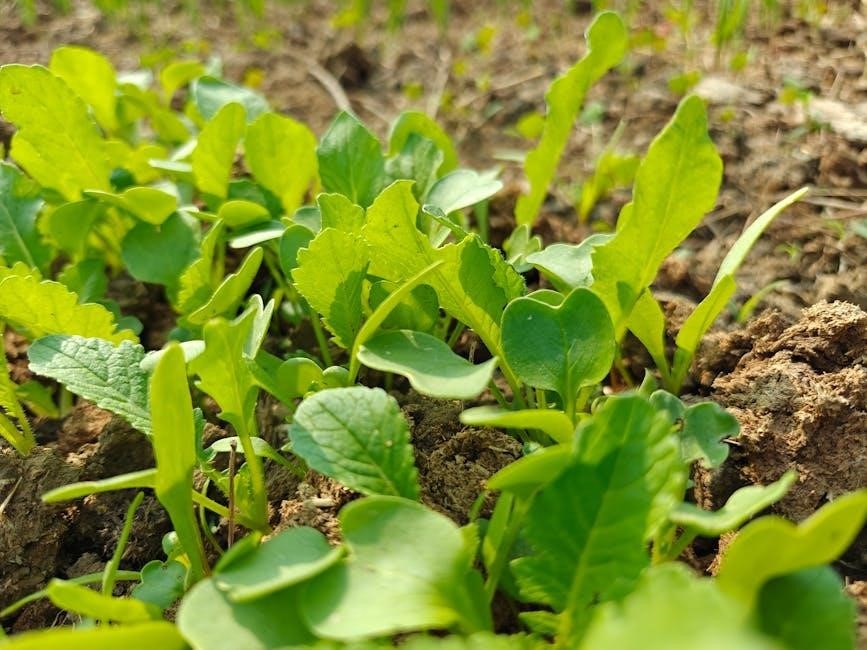
Excellent choices include leafy greens like lettuce, spinach, kale, and collard greens, providing nutritious and flavorful additions to salads and cooked dishes. Root vegetables such as beets, carrots, and radishes also thrive in cooler temperatures, offering a satisfying crunch and earthy sweetness.
Brassicas – broccoli, cauliflower, cabbage, and Brussels sprouts – perform well with proper timing. Peas and mustard greens are also fantastic options. Remember to check specific variety recommendations for Zone 10 to ensure optimal growth and yields. Succession planting every few weeks will maximize your harvest throughout the cool season.
Warm-Season Vegetables for Zone 10
Zone 10’s extended warm season allows for a prolific harvest of heat-loving vegetables. With minimal frost risk, the growing window is significantly longer compared to cooler climates, enabling multiple plantings throughout the year. Take advantage of this by selecting varieties suited to consistent warmth.
Tomatoes, peppers (bell, chili, and others), and eggplants flourish in the heat, producing abundant yields. Cucumbers, squash (summer and winter varieties), and zucchini are also excellent choices, providing fresh produce for salads, grilling, and preserving. Beans, both bush and pole types, thrive and offer continuous harvests.
Don’t overlook sweet corn, okra, and melons – watermelon, cantaloupe, and honeydew – which require warm temperatures to ripen properly. Consider utilizing succession planting to extend the harvest period. Proper irrigation and mulching are crucial to manage the heat and maintain soil moisture for optimal growth;
Zone 10 Planting Calendar ‒ January to March
January in Zone 10 is ideal for starting cool-season crops. Sow seeds for beets, broccoli, Brussels sprouts, cabbage, cauliflower, collards, kale, and mustard greens. Plant garlic and onion sets. Begin early warm-season crops like tomatoes and peppers indoors for later transplanting.
February continues the cool-season planting window. Direct sow carrots, lettuce, and spinach. Transplant seedlings of broccoli and cabbage. Continue starting warm-season seeds indoors. Prepare garden beds with compost and organic matter. Monitor for any early pest activity.
March marks a transition period. Finish planting cool-season vegetables. Begin transplanting warm-season crops like tomatoes, peppers, and eggplants as the soil warms. Sow beans, corn, and squash seeds directly into the garden. Monitor soil moisture and adjust watering accordingly. Consider succession planting for continuous harvests.
Zone 10 Planting Calendar ‒ April to June
April is prime time for warm-season planting in Zone 10. Continue transplanting tomatoes, peppers, and eggplants. Direct sow beans, corn, squash, and cucumbers. Monitor for pests and diseases as temperatures rise. Ensure adequate watering, especially for newly transplanted seedlings.
May offers continued opportunities for warm-season crops. Plant heat-tolerant varieties of tomatoes and peppers. Sow seeds for okra and southern peas. Continue succession planting of beans and squash for extended harvests. Mulch garden beds to conserve moisture and suppress weeds.
June marks the peak of the warm season. Focus on maintaining established plants. Continue harvesting early crops. Prepare for potential summer heat stress by providing shade and consistent watering. Consider planting a second crop of beans or squash for a fall harvest. Monitor for pests and diseases regularly.

Zone 10 Planting Calendar ⏤ July to September
July in Zone 10 demands heat management. Focus on maintaining existing plants with consistent watering, especially during peak temperatures. Harvest summer crops regularly to encourage continued production. Begin preparing beds for fall planting, amending soil with compost.
August presents a transition period. Continue harvesting summer vegetables. Start seeds indoors for cool-season crops like broccoli, cabbage, and kale, anticipating fall planting. Monitor for pests that thrive in warm weather. Consider providing shade cloth for sensitive plants.
September is ideal for initiating fall gardens. Transplant seedlings of cool-season vegetables. Direct sow seeds for leafy greens like lettuce and spinach. Continue harvesting remaining summer crops. Prepare for a potential shift in weather patterns as temperatures begin to moderate. Ensure adequate soil moisture for successful germination and growth.
Zone 10 Planting Calendar ⏤ October to December
October marks the heart of the fall planting season in Zone 10. Transplant cool-season vegetables like broccoli, cauliflower, and Brussels sprouts. Direct sow root vegetables such as beets, carrots, and radishes. Monitor for pests and diseases as temperatures fluctuate. Continue harvesting late-season warm-weather crops.
November offers a prime window for establishing winter gardens. Plant leafy greens like kale, spinach, and collard greens. Sow seeds for peas and other cool-season legumes. Prepare garden beds with compost and organic matter. Monitor rainfall and adjust watering accordingly.
December allows for continued planting of cool-season crops. Consider planting garlic and onions for a spring harvest. Protect tender plants from potential cold snaps. Continue harvesting winter vegetables. Plan for spring gardening by reviewing seed catalogs and making planting lists. Enjoy the bounty of your fall and winter gardens!

Fruit Trees Suitable for Zone 10
Zone 10’s warm climate is ideal for a diverse range of fruit trees. Mangoes thrive, offering delicious harvests with proper care. Avocados flourish, but require well-drained soil and protection from strong winds. Citrus trees – oranges, lemons, limes, and grapefruit – are exceptionally well-suited, producing abundant fruit.
Consider planting guava, papaya, and lychee for tropical flavors. Peach and plum trees can also succeed with careful variety selection, prioritizing low-chill options. Star fruit (carambola) adds an exotic touch to your orchard. Remember to research specific cultivar needs.
Proper spacing is crucial for air circulation and sunlight penetration. Regular pruning promotes healthy growth and fruit production. Protect young trees from pests and diseases. Ensure adequate watering, especially during dry periods. With thoughtful planning, you can enjoy a continuous supply of fresh, homegrown fruit throughout the year.
Herbs That Thrive in Zone 10
Zone 10’s consistently warm temperatures create a haven for a wide array of herbs. Rosemary and thyme flourish with minimal care, preferring well-drained soil and full sun. Basil, a culinary staple, thrives during the warmer months, benefiting from regular harvesting to encourage bushier growth.
Mint, while vigorous, should be contained in pots to prevent spreading. Oregano and marjoram are heat-tolerant and add delightful flavors to Mediterranean dishes. Cilantro can be challenging, bolting quickly in the heat, so succession planting is recommended. Lavender excels in sunny, dry locations.
Consider adding lemongrass, chives, and parsley to your herb garden. Many herbs benefit from regular pruning to maintain shape and promote leaf production. Ensure good air circulation to prevent fungal diseases. With a little attention, you can enjoy a constant supply of fresh herbs for cooking and aromatherapy.
Succession Planting in Zone 10
Zone 10’s extended growing season makes succession planting incredibly effective. This technique involves staggering plantings of the same crop every few weeks to ensure a continuous harvest. For example, sow lettuce seeds every two to three weeks for a steady supply throughout the cooler months.
Fast-growing crops like radishes and spinach benefit greatly from this method. Similarly, beans and peas can be planted in successive batches. Consider planting heat-sensitive crops like cilantro during the cooler parts of the year and replanting as temperatures drop.
Succession planting isn’t limited to single crops; interplant fast-maturing vegetables between slower-growing ones. Utilize the space efficiently while one crop matures, another is establishing itself. Careful planning and record-keeping are key to maximizing yields and enjoying fresh produce for a longer period.
Watering Techniques for Zone 10 Gardens
Zone 10’s warm climate and often sandy soils demand mindful watering practices. Frequent, deep watering is generally more effective than shallow, daily sprinkles, encouraging deep root growth. Drip irrigation and soaker hoses are excellent choices, delivering water directly to the root zone and minimizing water loss through evaporation.
Monitor soil moisture levels regularly; avoid overwatering, which can lead to root rot. Mulching heavily with organic materials like straw or wood chips helps retain moisture and suppress weeds. Water early in the morning to reduce evaporation and allow foliage to dry before nightfall, minimizing fungal diseases.
Consider rainwater harvesting to supplement your water supply. Group plants with similar water needs together to optimize irrigation efficiency. Adjust watering schedules based on rainfall and seasonal changes, always observing your plants for signs of stress.
Pest and Disease Control in Zone 10
Zone 10’s warm, humid conditions can unfortunately foster a variety of pests and diseases. Proactive prevention is key; healthy plants are more resistant. Regularly inspect plants for signs of infestation or disease, addressing issues promptly before they escalate.

Encourage beneficial insects like ladybugs and lacewings, which prey on common garden pests. Utilize organic pest control methods such as insecticidal soap, neem oil, or Bacillus thuringiensis (Bt) when necessary. Practice crop rotation to disrupt pest and disease cycles.
Ensure good air circulation around plants to reduce fungal disease risk. Remove and dispose of infected plant material promptly. Consider using disease-resistant plant varieties. Monitor for common Zone 10 problems like aphids, whiteflies, nematodes, and fungal leaf spots, adapting your strategy accordingly.
Companion Planting for Zone 10
Companion planting leverages beneficial relationships between plants, enhancing growth and deterring pests – a valuable technique in Zone 10’s long growing season. Certain pairings can improve soil health, attract pollinators, or offer natural pest control.
For example, planting basil near tomatoes repels tomato hornworms and improves tomato flavor. Marigolds are excellent companions for many vegetables, deterring nematodes and other soil pests. Carrots and onions benefit each other; onions repel carrot root flies, while carrots deter onion flies.
Legumes, like beans and peas, fix nitrogen in the soil, benefiting nearby heavy feeders like corn and squash. Avoid planting fennel near most vegetables, as it inhibits their growth. Research specific companion pairings for your chosen crops to maximize benefits. Utilizing this method creates a more resilient and productive garden ecosystem in the warm Zone 10 climate.
Microclimates within Zone 10
Zone 10, despite its generally warm climate, contains diverse microclimates – localized areas with differing conditions. Understanding these nuances is crucial for successful gardening. South-facing walls create warmer spots, ideal for heat-loving plants like peppers and tomatoes, extending their growing season.
Conversely, areas shaded by trees or buildings remain cooler and more humid, suitable for leafy greens and herbs that prefer less intense sun. Coastal areas experience salt spray, requiring salt-tolerant plant selections. Low-lying areas may be prone to frost pockets, demanding careful plant placement.
Even within a single garden, variations in soil type, wind exposure, and drainage create microclimates. Observe your garden throughout the day and year to identify these pockets. Adapting your planting strategy to these localized conditions maximizes yields and plant health in Zone 10.
Extending the Growing Season in Zone 10
While Zone 10 enjoys a long growing season, extending it further maximizes productivity. Utilizing row covers provides protection from occasional cool snaps, allowing for earlier spring and later fall plantings of sensitive vegetables like beans and squash.

Cold frames and hoop houses offer more substantial protection, enabling year-round cultivation of cool-season crops. Strategic succession planting – sowing seeds every few weeks – ensures a continuous harvest throughout the year. Consider starting seeds indoors several weeks before the last frost date for a head start.
Selecting varieties with different maturity dates further extends the harvest window. Utilizing shade cloth during the hottest summer months protects plants from scorching and bolting. Careful planning and these techniques allow Zone 10 gardeners to enjoy fresh produce for nearly twelve months.
Resources for Zone 10 Gardeners
Numerous resources assist Zone 10 gardeners in successful cultivation. The Kellogg Garden Zone Planting Charts are invaluable, providing specific sowing, planting, and harvest dates for various vegetables based on hardiness zone. These charts streamline planning and optimize yields.
Local county extension offices offer tailored advice, workshops, and soil testing services specific to your microclimate. Online gardening communities and forums connect you with fellow gardeners sharing experiences and tips for South Florida’s unique conditions.
Homestead and Chill provides a detailed Zone 10 planting calendar, offering month-by-month guidance on what to grow. University of Florida IFAS Extension publications deliver research-based information on pest control, soil management, and plant selection. Exploring these resources empowers gardeners to thrive in Zone 10’s warm climate.
South Florida Specific Planting Considerations
South Florida’s unique subtropical climate within Zone 10 demands specific planting strategies. The vegetable growing season differs significantly from other regions, necessitating adjusted timelines. Consider the intense summer heat and humidity, which can stress plants and increase pest pressure.
Focus on heat-tolerant varieties and provide ample shade during the hottest months. Utilize raised beds and well-draining soil to combat potential waterlogging during the rainy season. Be mindful of hurricane season and plan for potential plant protection or relocation.
Spacing between plants is crucial for air circulation, reducing fungal diseases. South Florida planting guides offer month-to-month recommendations tailored to local conditions, ensuring optimal growth and harvest. Understanding these nuances is key to successful gardening in this vibrant region.